


Astrology has fascinated humanity for thousands of years, offering a symbolic language for understanding personality, life patterns, and personal growth. While most people know their Sun sign, a true birth chart—also called a natal chart—reveals a far richer and more complex portrait. Today, a variety of astrology tools can help decode that complexity and transform abstract symbols into practical insight.
TLDR: Your birth chart is far more than your Sun sign, and modern astrology tools make it easier than ever to interpret. From advanced natal chart generators to transit trackers, aspect calculators, house systems, and synastry tools, each offers a different lens into your personality and life path. When used together, these tools provide a layered and insightful understanding of your strengths, challenges, and timing cycles. The right combination can turn astrology from curiosity into a powerful self-discovery framework.
Below are five astrology tools that provide deep, meaningful insights into your birth chart—and how you can use them effectively.
1. Advanced Natal Chart Generators
All Heading
The foundation of all astrological insight begins with a detailed natal chart. A basic Sun-sign horoscope barely scratches the surface. An advanced natal chart generator calculates planetary placements, houses, aspects, and key points such as the Ascendant and Midheaven based on your precise birth date, time, and location.
What makes advanced chart generators powerful?
- Precise house calculations based on multiple house systems
- Aspect grids that reveal planetary relationships
- Inclusion of asteroids and sensitive points like Chiron and the North Node
- Customizable chart styles for deeper research
With a detailed natal chart in hand, you can identify:
- Your core personality (Sun, Moon, Ascendant)
- Your emotional landscape (Moon sign and aspects)
- Your communication style (Mercury placement)
- Your love language and relationships (Venus and Mars)
- Your career direction (Midheaven and 10th house)
This tool is essential because every other astrology method builds upon the natal chart. Think of it as your cosmic blueprint.
2. Transit and Progression Trackers
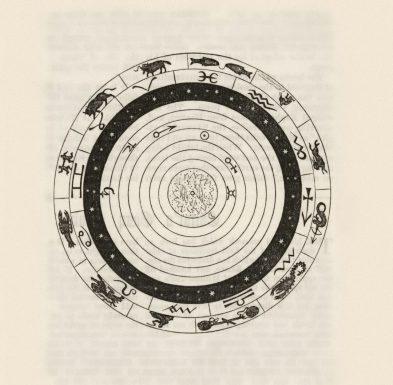
If your natal chart shows your potential, transit and progression tools show your timing. These tools track how current planetary movements interact with your birth chart, revealing periods of change, opportunity, tension, or growth.
Transits analyze where planets are right now in the sky and how they form aspects to your natal placements. For example:
- A Jupiter transit to your Sun may indicate expansion and opportunity.
- A Saturn square to your Moon might suggest emotional growth challenges.
- A Uranus transit to your Ascendant can bring sudden lifestyle changes.
Secondary progressions take things a step deeper by symbolically evolving your natal chart over time. Many astrologers use this tool to identify major life chapters.
Why these tools provide deep insight:
- They help explain why certain periods feel intense or transformative.
- They assist in identifying ideal timing for career moves or relationships.
- They reveal cycles that repeat throughout your life.
Without transit tracking, astrology remains static. With it, your chart becomes dynamic and alive.
3. Aspect Pattern Calculators
One of the most overlooked—but incredibly revealing—tools is the aspect pattern calculator. While standard aspect grids show individual planetary connections, pattern tools identify larger geometrical configurations within the chart.
These may include:
- Grand Trines – natural talents and flowing energy
- T-Squares – tension that pushes growth
- Yods – fated adjustments or karmic turning points
- Stelliums – concentrated planetary focus in one sign or house
Pattern recognition elevates your interpretation from isolated traits to core life dynamics. For instance:
- A T-Square involving career and home houses may show ongoing work-life balance tension.
- A Grand Trine in water signs could indicate deep emotional intelligence and intuitive ability.
Rather than viewing your chart as separate planetary influences, aspect pattern tools reveal how your energy organizes itself into themes.
4. House System Comparison Tools
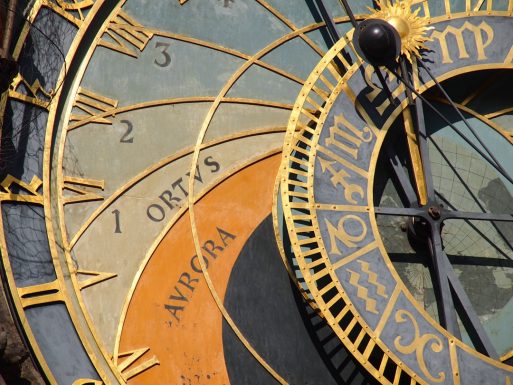
Astrology uses multiple house systems—Placidus, Whole Sign, Equal House, among others. A house system comparison tool allows you to view your chart through different lenses.
This matters because house placement determines which life area a planet influences. A shift in house systems can subtly or dramatically change interpretation.
For example:
- Your Venus may land in the 7th house in one system (relationships emphasized).
- In another, it might shift to the 8th house (intense emotional bonds emphasized).
This doesn’t mean one system is wrong. Instead, comparing systems can reveal nuanced truths. Many modern astrologers use Whole Sign for broader themes and Placidus for psychological depth.
Why this tool is transformative:
- It refines your understanding of life focus areas.
- It enhances predictive accuracy.
- It invites a multidimensional view instead of rigid interpretation.
Exploring different house systems can feel like adjusting the lens on a camera—each version adds clarity.
5. Synastry and Composite Chart Tools
Astrology is not only about self-discovery. It also illuminates relational dynamics. Synastry tools compare two natal charts to evaluate compatibility, attraction, and friction points. Meanwhile, a composite chart blends two charts into one symbolic relationship chart.
Synastry analysis may reveal:
- Strong Sun-Moon connections indicating emotional resonance.
- Challenging Mars-Saturn squares suggesting conflict styles.
- Venus-Jupiter aspects reflecting joy and generosity in love.
Composite charts take it further by answering: What is the purpose or identity of this relationship?
These tools provide insight into:
- Romantic partnerships
- Business collaborations
- Family relationships
- Friendship dynamics
Rather than guessing compatibility by Sun sign alone, synastry tools analyze the full planetary dialogue between two people.
Comparison Chart: 5 Astrology Tools at a Glance
| Tool | Main Purpose | Best For | Depth Level |
|---|---|---|---|
| Advanced Natal Chart Generator | Creates full birth chart with planets, houses, aspects | Foundational self-understanding | Very High |
| Transit and Progression Tracker | Tracks timing and life cycles | Future planning and understanding current events | High |
| Aspect Pattern Calculator | Identifies geometric planetary formations | Understanding core life themes | Very High |
| House System Comparison Tool | Compares different house interpretations | Refining life-area insights | Moderate to High |
| Synastry and Composite Tools | Analyzes relationship compatibility | Love, business, and partnerships | High |
How to Use These Tools Together
The real magic happens when you combine them. Here’s a recommended approach:
- Start with your natal chart to understand your core design.
- Identify major aspect patterns that define recurring themes.
- Experiment with house systems for refined life-area clarity.
- Track transits and progressions to see when themes activate.
- Apply synastry tools to understand how others interact with your chart.
By layering these tools, astrology evolves from a static report into an evolving, insightful map of your life journey.
Final Thoughts
Astrology is a symbolic system designed to illuminate patterns rather than dictate fate. The deeper you go into your birth chart, the more you discover how interconnected its components are. A single placement rarely tells the whole story—context is everything.
These five astrology tools provide that context. They uncover timing, relationships, psychological dynamics, and thematic structures within your chart. Whether you’re a curious beginner or an experienced astrology enthusiast, leveraging these tools can transform casual interest into profound self-awareness.
When approached thoughtfully, your birth chart becomes less of a prediction device and more of a mirror—a beautifully complex reflection of your potential, challenges, and cosmic rhythm.






Recent Comments