





In a world where creativity meets technology, tattoo design platforms are transforming how artists and clients work together. What once required multiple studio visits, hand-drawn revisions, and long email threads can now happen seamlessly in digital spaces designed specifically for collaboration. These platforms are not just digital sketchpads—they are interactive ecosystems that simplify communication, improve design accuracy, and strengthen client relationships.
TLDR: Tattoo design platforms are changing the way tattoo artists and clients collaborate by offering real-time editing, digital mockups, secure messaging, and easy file sharing. These tools reduce misunderstandings, speed up revisions, and create clearer creative direction. Whether cloud-based software or specialized art platforms, they enhance efficiency while preserving artistic freedom. The result is smoother projects, happier clients, and better tattoos.
The tattoo industry has always thrived on personal connection. Clients entrust artists with permanent art on their bodies, and that trust depends on clear communication and shared vision. However, coordinating ideas through sketches on paper, scattered emails, or messaging apps can introduce confusion. Today’s collaborative design platforms bridge that gap, offering structured, creative environments tailored to both artistry and professionalism.
Why Collaboration Matters in Tattoo Design
All Heading
A tattoo is more than an image—it is a story, a symbol, or a deeply personal expression. Misunderstandings can lead to dissatisfaction, costly revisions, and even reputational damage. Collaborative platforms eliminate many traditional friction points by offering:
- Visual clarity: Real-time previews and digital mockups.
- Organized feedback: Comment threads tied directly to design elements.
- Version control: Easy tracking of revisions without losing earlier drafts.
- Remote access: Clients and artists can collaborate from anywhere.
These tools empower clients to feel more involved while allowing artists to maintain creative control and professional boundaries.
Key Features of Modern Tattoo Design Platforms
Not all platforms are built the same, but the most valuable ones share common features that enhance teamwork.
1. Digital Sketching and Layer Tools
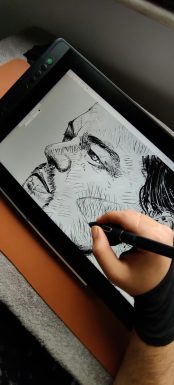
Advanced drawing tools allow artists to sketch, shade, and refine artwork digitally. Layering capabilities enable experimentation with elements like color, line weight, and texture without altering the original base design.
2. Body Placement Mockups
Some platforms allow artists to overlay tattoo designs onto photos of a client’s body, providing a realistic preview of size and placement.
3. Real-Time Feedback and Annotation
Instead of vague text messages like “Can we make it pop more?”, clients can leave precise comments directly on specific parts of the design. This minimizes guesswork and prevents repeated revisions.
4. Secure File Sharing and Contracts
Professional platforms often integrate secure payments, deposits, contracts, and watermarking features, protecting both the artist’s intellectual property and the client’s financial commitment.
5. Cloud Storage and Cross-Device Access
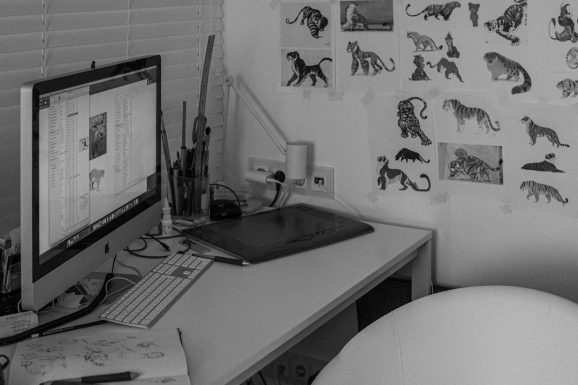
Cloud integration ensures that artwork remains accessible on tablets, desktops, and smartphones. Whether meeting in a studio or traveling for a convention, artists maintain instant access to their projects.
Popular Tattoo Design and Collaboration Platforms
While some artists prefer general creative software, others use tools designed specifically for collaborative workflows. Below is a comparison of widely used platforms that support tattoo design collaboration.
| Platform | Best For | Collaboration Features | Learning Curve |
|---|---|---|---|
| Procreate | Digital illustration on iPad | Layering, high resolution exports, file sharing | Moderate |
| Adobe Fresco | Vector and raster tattoo design | Cloud sync, sharing links, layered editing | Moderate |
| InkBook | Tattoo specific studio management | Client messaging, appointment booking, contracts | Easy |
| Canva | Simple mockups and concept boards | Commenting, drag and drop editing, shared folders | Easy |
| Milanote | Mood boards and inspiration planning | Real time collaboration, visual boards | Easy |
Each platform serves different needs. For detailed custom artwork, illustration software like Procreate or Adobe Fresco excels. For business management and structured communication, tattoo-focused platforms such as InkBook streamline operations.
The Client Experience: From Idea to Ink
For clients, tattoo design platforms remove uncertainty from the process. Instead of trying to imagine what a drawing will look like scaled and placed on skin, digital previews provide clarity.
The typical collaborative journey looks like this:
- Concept Submission: Client uploads reference images or writes a brief.
- Mood Board Creation: Artist gathers visual inspiration and shares direction.
- Initial Sketch: A digital draft is presented for feedback.
- Revisions: Client comments directly on areas needing adjustment.
- Final Approval: Design is finalized and prepared for stencil printing.
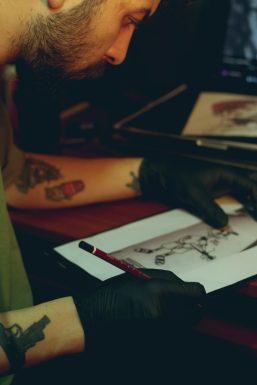
This structured flow increases transparency while speeding up decision-making. Clients feel heard, and artists avoid repetitive or unclear revision requests.
Benefits for Tattoo Artists
While collaboration tools clearly benefit clients, artists may gain even more advantages:
- Time efficiency: Fewer in-person consultations for minor tweaks.
- Professional presentation: Organized portfolios and polished mockups.
- Reduced no-shows: Integrated deposits and confirmations.
- Clear creative boundaries: Written approvals reduce last-minute changes.
Digital documentation also protects artists in case of disputes, as there is a clear timeline of design approvals and client feedback.
Challenges and Considerations
Despite their advantages, tattoo design platforms are not without limitations. Some artists worry that excessive client involvement could dilute artistic expertise. Others find learning new software time-consuming.
To avoid collaboration pitfalls:
- Set revision limits upfront.
- Use platform messaging exclusively to centralize communication.
- Maintain artistic authority while welcoming feedback.
Balancing professionalism and creative vision is essential. Technology should support artistry, not overshadow it.
The Role of AI in Tattoo Collaboration
Artificial intelligence is beginning to play a role in tattoo ideation. Some platforms offer AI-powered concept generators, helping artists brainstorm styles or compositions based on prompts.

While AI can provide creative sparks, experienced tattoo artists still refine and personalize designs. The human element—the understanding of symbolism, anatomy, and cultural nuance—remains irreplaceable.
Security and Intellectual Property Protection
Tattoo designs are original works of art. Protecting them from unauthorized use is critical. Many collaborative platforms include:
- Watermarked previews
- Password-protected galleries
- Usage agreements and digital contracts
- Encrypted payments
This protects artists from design theft while giving clients confidence that their deposits and personal information are secure.
The Future of Tattoo Collaboration
As augmented reality advances, future tattoo platforms may offer live AR previews, allowing clients to “wear” their tattoos virtually before committing. Integration with 3D modeling may further refine placement accuracy, especially for large-scale or wraparound pieces.
Additionally, global collaboration will expand. A client in Tokyo could commission an artist in Berlin, refining the design entirely online before traveling for the appointment. Digital portfolios will continue to replace physical books, and communication barriers will shrink through automated translation features.
Choosing the Right Platform
When selecting a tattoo design platform, artists should consider:
- Primary device: Tablet, desktop, or hybrid workflow?
- Client communication needs: Built-in messaging or external tools?
- Budget: Subscription versus one-time purchase.
- Scalability: Suitable for solo artists or full studios?
Testing free trials and reading user reviews can provide insight before committing fully.
Final Thoughts
Tattoo design platforms represent more than a technical upgrade—they symbolize an evolution in creative partnership. By simplifying communication, clarifying expectations, and protecting both artists and clients, these tools enhance every stage of the tattoo journey.
As technology continues to merge with artistry, collaboration will become even more seamless. Yet the heart of tattooing remains unchanged: a shared vision transformed into permanent, meaningful art. With the right platform, that vision becomes clearer, the process smoother, and the final result more powerful than ever.





Recent Comments