



Voice transcription platforms like Descript have transformed how creators, businesses, educators, and media professionals approach audio and video editing. Instead of relying on complex timelines and waveforms alone, users can now edit spoken content as easily as editing a text document. By automatically converting speech into searchable, editable text, these platforms streamline workflows, reduce production time, and make professional-grade editing accessible to a much wider audience.
TLDR: Voice transcription platforms such as Descript allow users to edit audio and video by editing text transcripts. They combine automatic speech recognition, multitrack editing, AI voice tools, and collaboration features into one workflow. These tools save time, lower technical barriers, and improve accessibility for creators and teams. As speech-to-text accuracy improves, transcription-first editing is becoming a dominant production method.
The Rise of Text-Based Audio Editing
All Heading
Traditional audio editing software requires users to manipulate sound waves on a timeline. While powerful, this approach can be intimidating for beginners and time-consuming even for professionals. Voice transcription platforms shift the paradigm by turning recorded speech into text almost instantly. Once transcribed, users can cut, move, or delete parts of their audio simply by editing words on the page.
This innovation reflects a broader move toward intuitive content creation. By making editing feel more like working in a word processor, these tools significantly reduce the learning curve. A podcast host, for example, can remove filler words like “um” and “uh” by deleting them from the transcript. The system automatically updates the audio to reflect those changes.
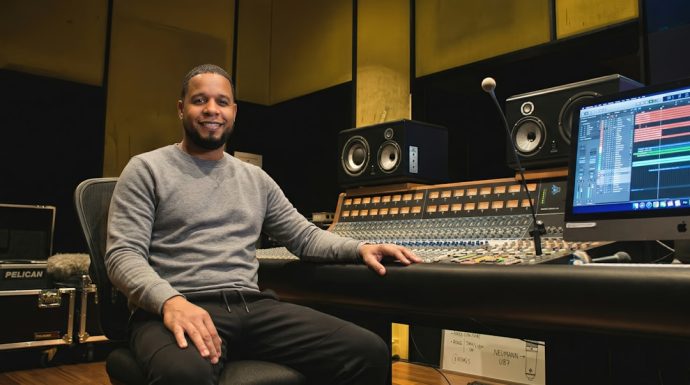
The implications are substantial. Teams that once relied on dedicated audio engineers can now handle many edits in-house. Independent creators gain autonomy, while organizations accelerate production timelines for marketing materials, training videos, and interviews.
Core Features of Platforms Like Descript
Voice transcription platforms integrate several powerful tools into a single workflow. Although features vary among providers, most offer the following capabilities:
- Automatic Speech Recognition (ASR): Converts audio into highly accurate text transcripts.
- Text-Based Editing: Editing the transcript edits the corresponding audio or video.
- Multitrack Recording and Editing: Manage multiple speakers or media elements.
- Filler Word Removal: Detect and remove unwanted verbal pauses automatically.
- AI Voice Synthesis: Generate or correct spoken lines using voice cloning.
- Screen Recording: Capture video content alongside narration.
- Collaboration Tools: Share projects, leave comments, and edit in teams.
These features combine to create an end-to-end production solution. Instead of switching between multiple applications for recording, editing, transcription, and publishing, users can complete most tasks within a single platform.
How Text-Based Editing Works
When a user uploads or records audio, the platform processes the file using speech recognition algorithms. Within minutes, a transcript appears aligned with the audio timeline. Each sentence corresponds to a specific timestamp.
If a user deletes a paragraph of text, the system removes the associated audio segment seamlessly. Rearranging text rearranges audio clips. This process eliminates the need to zoom into waveforms to find mistakes or pauses.
In more advanced workflows, users can:
- Highlight a sentence to move it elsewhere in the recording.
- Search for specific keywords instantly.
- Correct transcription errors manually.
- Export transcripts for captions and accessibility compliance.
This approach democratizes editing by making it more accessible to content strategists, writers, educators, and executives who may not have formal audio production training.
AI-Powered Enhancements
Artificial intelligence plays a central role in modern transcription platforms. Beyond transcribing speech, AI supports enhancements that were previously complex or expensive to perform.
For instance, many platforms offer voice cloning features. After analyzing a speaker’s voice, the system can generate new spoken words that match the original tone and cadence. This allows creators to correct small mistakes without re-recording entire segments.
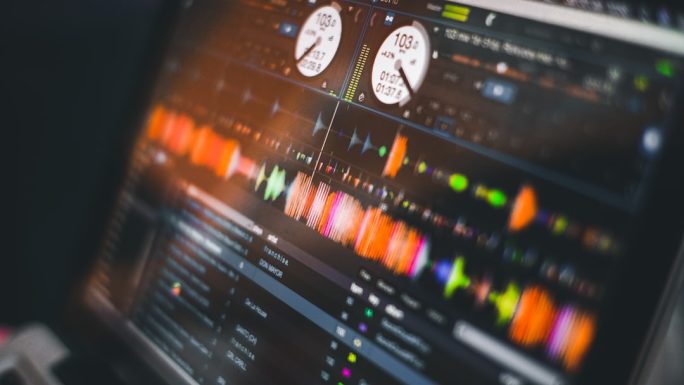
Other AI-based tools include:
- Studio sound enhancement: Automatically reduce background noise and balance audio levels.
- Automatic caption generation: Create subtitles synchronized with speech.
- Speaker identification: Detect and label multiple speakers in an interview.
- Content repurposing: Turn long recordings into shorter clips for social media.
These enhancements save hours of manual work and improve overall production quality. They are particularly valuable for remote teams and creators working outside traditional studio environments.
Benefits for Different User Groups
Voice transcription and editing platforms appeal to a wide range of users:
Podcasters
Podcast creators can quickly trim episodes, remove tangents, and generate shareable transcripts. The speed of text-based editing allows more time for creative development and audience engagement.
Video Creators and YouTubers
Video editors use transcription to cut interviews and arrange narrative segments efficiently. Subtitle generation boosts accessibility and engagement across platforms.
Businesses and Marketing Teams
Marketing departments use these tools to produce promotional videos, webinars, and product tutorials. Automatic transcription also supports documentation and compliance needs.
Educators and Trainers
Online instructors can edit lectures easily and provide transcripts for students. This enhances accessibility for learners with hearing impairments or language barriers.
Journalists and Researchers
Interview transcription speeds up research workflows and simplifies quotation extraction for articles or reports.
Collaboration and Remote Work Advantages
As remote work becomes more prevalent, collaboration features are increasingly important. Many transcription-based platforms operate in the cloud, allowing multiple team members to access and edit projects simultaneously.
Team members can leave comments directly on the transcript, suggest edits, or review content without downloading large files. Version history tracking prevents accidental data loss and makes experimentation safer.
This cloud-based infrastructure supports distributed teams, reduces file-sharing hassles, and accelerates production cycles. For organizations publishing frequent content, these operational efficiencies translate into measurable cost savings.
Accessibility and SEO Benefits
Automatic transcripts improve accessibility for audiences who are deaf or hard of hearing. They also help non-native speakers follow spoken content more easily.
From a digital marketing perspective, transcripts enhance search engine optimization (SEO). Search engines cannot directly index spoken words in audio files, but they can index text transcripts. By publishing transcripts alongside podcasts and videos, organizations increase discoverability.
Additionally, written content derived from transcriptions can be repurposed into blog posts, social media captions, email newsletters, or knowledge base articles, maximizing content value.
Challenges and Limitations
Despite their advantages, transcription platforms are not without limitations. Accuracy may decline in recordings with:
- Heavy accents
- Overlapping speakers
- Background noise
- Industry-specific jargon
Manual review remains necessary to ensure precision, particularly in sensitive legal or medical contexts. Furthermore, while AI voice cloning offers flexibility, it raises ethical concerns regarding consent and misuse.
Data privacy is another consideration. Organizations must evaluate security measures, particularly when handling confidential information.
The Future of Voice Transcription Editing
As machine learning models continue to improve, transcription accuracy is expected to approach near-human levels in diverse linguistic conditions. Real-time editing capabilities will become even more seamless, potentially integrating with augmented reality and live broadcasting tools.
Future developments may include multilingual automatic translation, sentiment analysis within transcripts, and deeper integration with content management systems. These advancements will further streamline multimedia workflows.
Ultimately, platforms like Descript reflect a larger trend: making advanced creative tools more accessible through intuitive interfaces and AI assistance. By bridging the gap between spoken and written content, they reshape how stories, ideas, and information are produced and shared.
Frequently Asked Questions (FAQ)
- What is a voice transcription platform?
A voice transcription platform converts spoken audio into written text using automatic speech recognition technology, allowing users to edit audio by editing the transcript. - How accurate are transcription tools?
Accuracy varies depending on audio quality, accents, and background noise. Many modern platforms achieve high accuracy rates, but manual review is still recommended. - Can users edit video with these platforms?
Yes. Many tools synchronize transcripts with video, enabling users to cut or rearrange video clips by editing text. - Is voice cloning safe to use?
Voice cloning can be safe when used ethically and with consent. However, users should review platform policies and legal considerations before generating synthetic speech. - Do transcription platforms support collaboration?
Most modern platforms offer cloud-based collaboration features, including shared workspaces, comments, and version tracking. - Are transcripts useful for SEO?
Yes. Publishing transcripts alongside audio or video content helps search engines index spoken material, improving search visibility. - Who benefits most from text-based editing?
Podcasters, video creators, marketers, educators, journalists, and businesses that frequently produce spoken content benefit significantly from streamlined editing workflows.





Recent Comments