




In a world where meetings overlap, personal commitments pile up, and digital distractions are constant, staying organized can feel like a full-time job. Smart calendar tools like Fantastical have transformed the simple act of marking a date into a dynamic, intelligent experience. These tools are more than digital planners—they are productivity hubs designed to streamline scheduling, enhance collaboration, and reduce mental clutter.
TLDR: Smart calendar apps like Fantastical go far beyond basic date tracking. They use natural language processing, intelligent reminders, cross-platform syncing, and collaborative features to centralize your schedule. These tools reduce scheduling stress, prevent conflicts, and help you manage both professional and personal life efficiently. If you’re juggling multiple responsibilities, upgrading to a smart calendar could dramatically improve your productivity.
Traditional calendars were static: you wrote something down and hoped you remembered it. Smart calendars, however, are interactive ecosystems that connect with email, video conferencing platforms, task managers, and time zone databases. They interpret what you type, suggest meeting times, and even help you find open slots without endless back-and-forth emails.
Natural Language Input: Scheduling at the Speed of Thought
All Heading
One of the most powerful features of tools like Fantastical is natural language input. Instead of clicking through multiple fields to set an event, you can simply type: “Lunch with Sarah tomorrow at 1 PM at Central Cafe” and the app automatically creates the event with the correct date, time, and location.
This reduces friction and speeds up scheduling dramatically. Smart parsing technology understands:
- Specific and relative dates (tomorrow, next Friday, in two weeks)
- Time zones
- Event duration
- Locations
- Invitees
For busy professionals, this feature alone can save hours each month.
Seamless Integration Across Platforms
Modern workflows are scattered across tools—Google Workspace, Microsoft 365, Zoom, Slack, and project management platforms. Smart calendar tools act as a central command center that ties them together.
Key integration advantages include:
- Email Sync: Automatically turning invitations into calendar events.
- Video Conferencing Links: Instantly attaching Zoom, Teams, or Google Meet links.
- Task Management Integration: Viewing deadlines alongside appointments.
- Cloud Syncing: Real-time updates across phone, tablet, laptop, and smartwatch.
This cross-platform synchronization ensures that your schedule is consistent no matter which device you use. There’s no more double booking because one device didn’t update properly.
Intelligent Notifications and Reminders
A forgotten meeting can damage professional credibility, while a missed personal event can strain relationships. Smart calendars use intelligent reminders that go beyond basic alerts.
Advanced reminder capabilities include:
- Location-based alerts (remind me when I leave work)
- Travel time notifications (when to leave based on traffic)
- Multiple reminder tiers (one day before, one hour before, ten minutes before)
- Persistent alerts that require acknowledgment
Some tools even learn from past behavior. If you frequently snooze reminders for early meetings, the system may suggest adjusting the default alert window.
Clean, Visual Interface for Mental Clarity
The visual layout of a smart calendar is not just aesthetic—it influences productivity. Overloaded or cluttered screens increase stress. Smart tools prioritize clear design and intuitive navigation.
Users can:
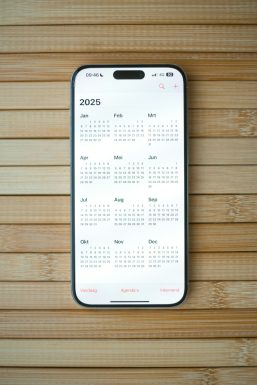
- Switch between day, week, month, and agenda views
- Use color-coding for work, personal, and project-specific events
- Layer different calendars for clarity
- Hide or merge calendars based on context
Color coding, especially, creates visual boundaries that reduce cognitive load. A quick glance tells you whether your week is meeting-heavy, travel-heavy, or relatively free.

Time Zone Intelligence for Global Teams
Remote work has made global collaboration commonplace. Scheduling across time zones used to require manual conversions and frequent mistakes. Smart calendar tools solve this with built-in time zone awareness.
Features often include:
- Automatic time zone detection
- Dual time zone display
- Built-in time zone converters
- Travel time adjustment when you change location
This is particularly valuable for distributed teams, digital nomads, and companies with international clients.
Event Proposals and Scheduling Automation
Back-and-forth scheduling emails are one of the biggest productivity drains. Smart calendar tools often include availability sharing features that allow others to book time without endless negotiation.
With features similar to scheduling links, you can:
- Share available time slots
- Automatically prevent double-booking
- Limit meeting duration
- Add buffers between appointments
This automation shifts scheduling from a multi-message conversation to a single interaction. It also protects your deep work hours by only displaying designated availability.
Task and Event Hybrid Systems
Many productivity experts argue that tasks and calendar events should not live in separate spaces. Smart calendars increasingly blend the two, offering integrated task lists alongside scheduled commitments.
This hybrid approach allows users to:
- Assign deadlines without fixed times
- Drag tasks directly into open calendar slots
- Prioritize daily goals visually
- Convert emails into tasks instantly
The result is a dynamic planning system rather than a static event list.
Widgets and Smartwatch Support
Quick visibility matters. Smart calendar apps typically offer home screen widgets and wearable integration. Without opening a full application, you can instantly view:
- Upcoming meetings
- Travel time alerts
- Daily agendas
- Countdowns to key events
This passive exposure keeps your day structured while minimizing distractions from opening unrelated apps.

Privacy and Security Considerations
Calendar tools store sensitive data—meeting topics, client names, locations, and links. Reputable smart calendar platforms prioritize end-to-end encryption, secure authentication methods, and compliance with privacy standards.
Advanced security features may include:
- Two-factor authentication
- Encrypted data storage
- Selective calendar sharing permissions
- Private event visibility settings
For organizations, granular access control ensures employees see only the information relevant to their roles.
Reducing Decision Fatigue
Every time you reschedule a meeting or manually check availability, you expend mental energy. Smart calendars reduce this cognitive burden.
Features like:
- Conflict detection
- Smart time suggestions
- Auto-accepted recurring meetings
- Pre-set scheduling preferences
allow users to make fewer micro-decisions throughout the day. Over time, this preserves focus and increases overall productivity.
Personal Life Optimization
While many people adopt smart calendars for work, their impact on personal life can be just as significant. Coordinating family events, fitness goals, social gatherings, and travel plans becomes simpler when everything lives in one organized system.
Smart calendars allow you to:
- Share family calendars
- Track habits and recurring personal goals
- Set reminders for bills or anniversaries
- Differentiate between urgent and flexible commitments
This holistic oversight improves work-life balance by creating realistic expectations about time allocation.
The Future of Smart Calendars
Artificial intelligence is poised to make calendar tools even more powerful. Future iterations may include predictive scheduling, energy-based time blocking, and automatic workload balancing.
Imagine a calendar that recognizes you’re most productive in the morning and automatically suggests deep work slots during those hours. Or one that delays non-urgent meetings when your week becomes overloaded.
As machine learning continues to evolve, calendars will likely shift from passive organizers to proactive planning assistants.
Choosing the Right Smart Calendar Tool
When evaluating options like Fantastical and similar tools, consider:
- Compatibility: Does it integrate with your existing ecosystem?
- User Interface: Is it visually clean and intuitive?
- Customization: Can you tailor views, alerts, and availability?
- Collaboration Features: Does it support team coordination?
- Cost Structure: Are premium features worth the investment?
For many users, the return on investment comes not from flashy features but from reduced stress and improved time awareness.
Conclusion
Smart calendar tools like Fantastical represent a significant evolution in how we manage time. By combining natural language processing, intelligent reminders, seamless integration, and thoughtful design, these platforms transform scheduling from a tedious necessity into a strategic advantage.
In an increasingly fast-paced world, the ability to see, manage, and optimize your time is invaluable. A smart calendar doesn’t just track appointments—it empowers you to make better decisions about how you spend your most limited resource: your time.





Recent Comments