





Rank tracking is one of the most talked-about parts of SEO. And also one of the most misunderstood. Should you check your keyword rankings every single day? Or is once a week enough? Many marketers stress over this. Some refresh dashboards like it is social media. Others barely look at rankings at all. So what is the better choice?
TLDR: Daily rank tracking gives you fast feedback and helps spot sudden changes. Weekly tracking saves time and reduces stress while still showing trends. The best choice depends on your goals, competition level, and how active your SEO strategy is. Most businesses do well with a mix of both.
First, What Is Rank Tracking?
All Heading
Rank tracking means keeping an eye on where your website appears in search results for specific keywords.
If you sell running shoes, you may track phrases like:
- best running shoes
- lightweight trail sneakers
- running shoes for beginners
Your position may be number 3 today. Number 5 tomorrow. Maybe number 2 next week.
Rank tracking tools record these changes.
It sounds simple. But the frequency of checking those positions can change how you react, plan, and even feel about SEO.
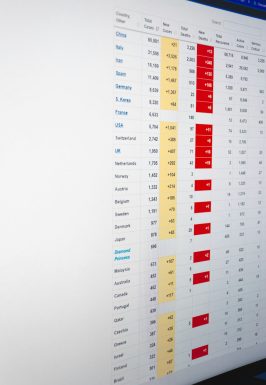
Why Rankings Move in the First Place
Before choosing daily or weekly tracking, understand this: rankings naturally fluctuate.
Search engines constantly test things. Competitors update pages. New content appears. Algorithms adjust.
Small ranking changes are normal.
A drop from position 4 to 6 does not automatically mean disaster.
That is important to remember.
The Case for Daily Rank Tracking
Daily tracking means checking keyword positions every single day.
Some SEO professionals love this. Here is why.
1. You Catch Problems Fast
Imagine your site suddenly drops 20 positions overnight.
It could be:
- A technical error
- A broken page
- A manual penalty
- A Google update
If you track daily, you see it immediately.
Fast problem detection can protect traffic and revenue.
2. You See Immediate Impact of Changes
Updated a blog post yesterday?
Added internal links?
Improved page speed?
Daily tracking lets you watch how rankings react.
This feels rewarding. It also helps with testing.
You can connect action and reaction more clearly.
3. Great for Competitive Niches
In industries like finance, travel, or ecommerce, competition is intense.
Rankings change quickly.
Daily monitoring keeps you informed. Especially if competitors are aggressive.
4. Helpful During Big Campaigns
Launching a major content push?
Running a product launch?
Daily tracking helps measure short-term movement.
It gives more data points.
But There Is a Downside
Daily tracking can create stress.
You may overreact to tiny changes.
SEO is not day trading. It is long-term investing.
Watching daily ups and downs can make normal fluctuations feel dramatic.
The Case for Weekly Rank Tracking
Weekly tracking smooths things out.
You check performance once every seven days.
This approach feels calmer. And often more strategic.
Image not found in postmeta1. You Focus on Trends
SEO success is about direction.
Are rankings trending upward over time?
Are important keywords improving month after month?
Weekly tracking highlights patterns instead of noise.
It removes some emotional reaction.
2. Saves Time
Checking dashboards every day takes effort.
Even automated reports still need review.
Weekly tracking frees up time for:
- Content creation
- Link building
- Technical optimization
- Strategy planning
Those activities actually move rankings.
3. Less Stress
SEO already requires patience.
Daily monitoring can feel like watching water boil.
Weekly tracking reduces anxiety.
You avoid unnecessary panic.
4. Better for Small Teams
If you have limited resources, weekly tracking is often enough.
Most small businesses do not need hourly or daily alerts.
They need steady growth.
But Weekly Has Limits
You might miss sudden drops.
You may notice problems days later instead of immediately.
In fast-moving industries, that delay can cost traffic.
So Which One Is Better?
Here is the honest answer.
It depends.
There is no universal rule.
Instead, ask these questions:
- How competitive is your niche?
- How often do you publish or optimize content?
- How sensitive is your revenue to ranking shifts?
- How much time do you have?
Your answers guide your choice.
When Daily Tracking Makes Sense
Choose daily tracking if:
- You run a large ecommerce site
- You operate in a highly competitive space
- You depend heavily on organic traffic
- You are testing SEO changes frequently
- A single ranking drop could cost significant revenue
In these cases, quick awareness matters.
But remember. Do not panic over small shifts.
Look for big, sustained changes.
When Weekly Tracking Is Enough
Weekly tracking works well if:
- You run a small or local business
- Your SEO strategy is content-focused and long-term
- Your industry does not change rapidly
- You want less stress and clearer trends
For many websites, this is perfectly fine.
SEO growth usually takes weeks or months anyway.
A Smart Middle Ground
Here is something many professionals do.
They combine both methods.
For example:
- Daily tracking for top 10 or 20 most important keywords
- Weekly tracking for the rest
This gives:
- Fast alerts for high-value terms
- Trend analysis without overwhelm
Another smart approach is this:
- Weekly reviews as routine
- Daily checks during big campaigns or site updates
Flexibility wins.

Something Important: Rankings Are Not Everything
Here is a truth many forget.
Rankings do not equal revenue.
You can rank number 1 and still:
- Have low click-through rates
- Poor conversion rates
- Weak engagement
And sometimes you rank number 5 but make great sales.
Why?
Because:
- Your title is compelling
- Your brand is trusted
- Your page converts well
That is why rank tracking should never be your only metric.
Also monitor:
- Organic traffic
- Conversions
- Revenue
- Bounce rates
- Time on page
Rankings are a clue. Not the whole story.
Understanding Rank Volatility
Daily tracking often reveals something surprising.
Rankings can jump around even when nothing changes.
This is called volatility.
Search engines test different results for different users.
Location matters. Device type matters. Search history matters.
So a “drop” might simply be a test variation.
This is another reason not to overreact.
The Emotional Side of Rank Tracking
Yes. There is an emotional side.
Watching daily changes can feel like this:
- Up 3 spots. Excited.
- Down 2 spots. Worried.
- No change. Frustrated.
This rollercoaster distracts from real work.
Weekly tracking smooths emotions.
It encourages patience.
And patience is essential in SEO.
What Big SEO Teams Often Do
Large companies usually:
- Track thousands of keywords daily
- Set up automated alerts for major drops
- Review summaries weekly
- Analyze performance monthly
Notice something?
They collect daily data.
But they do not panic daily.
They use the data strategically.
Your Final Decision Framework
If you still feel unsure, try this simple rule:
- If your SEO work is reactive and fast-paced, track daily.
- If your SEO work is steady and long-term, track weekly.
- If you want balance, combine both.
And always focus on direction, not tiny daily dots.
Final Thoughts
Daily rank tracking is like checking your fitness watch every hour.
Weekly tracking is like stepping on the scale once a week.
Both have value.
But neither matters if you are not exercising.
In SEO terms:
- Create great content.
- Improve technical health.
- Build authority.
- Serve user intent.
Rank tracking is simply the scoreboard.
The real game happens elsewhere.
Choose the tracking rhythm that keeps you informed, calm, and focused.
Because in SEO, consistency beats obsession every time.




Recent Comments