




Resizing an image sounds simple. Just drag a corner. Or type in a new number. Done, right? Not exactly. If you do it the wrong way, your photo turns blurry, pixelated, or stretched. The good news? GIMP makes it easy to resize images without losing quality—if you know the right steps. Let’s break it down in a fun and simple way.
TLDR: To resize an image in GIMP without losing quality, always keep the aspect ratio locked and use high-quality interpolation like LoHalo or Cubic. Resize from the “Scale Image” or “Scale Layer” menu, not by dragging randomly. Downscaling usually keeps quality better than upscaling. For best results, sharpen slightly after resizing and export using the right file format.
Why Images Lose Quality in the First Place
All Heading
Before we fix the problem, we need to understand it.
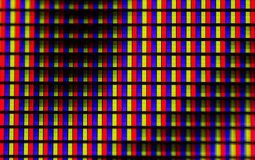
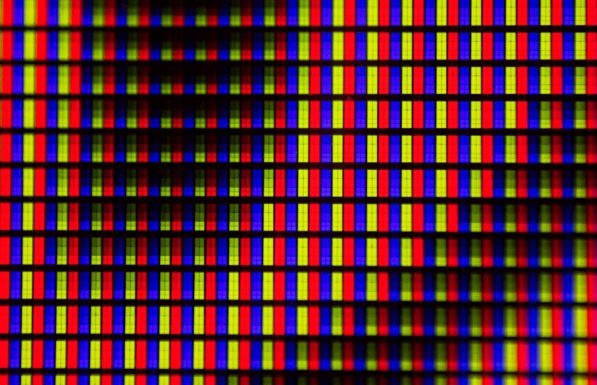
Digital images are made of tiny squares called pixels. When you resize an image, you are either:
- Removing pixels (making the image smaller)
- Adding pixels (making the image bigger)
Removing pixels is easier. GIMP just throws some away. Adding pixels is harder. The computer must guess what new pixels should look like. And guesswork is not always perfect.
That is why enlarging an image often causes blur.
But don’t worry. GIMP has smart tools to handle this.
Step 1: Open Your Image the Right Way
Start by opening GIMP.
Go to:
- File → Open
Select your image.
Now take a look at the current size:
- Go to Image → Image Properties
Notice the width and height in pixels. Remember these numbers. They matter.

Step 2: Use “Scale Image” (Not Dragging!)
If you want to resize the whole image, do this:
- Click Image → Scale Image
A new window will pop up. This is where the magic happens.
Lock the Aspect Ratio
You will see a small chain icon between width and height.
Make sure the chain is locked.
If it is locked, changing the width will automatically adjust the height. This keeps your image from stretching.
If the chain is broken, your image can look squished or weird.
Always keep it locked unless you have a special reason not to.
Choose the Right Interpolation
This is very important.
At the bottom of the Scale Image window, you will see a dropdown called Interpolation.
Choose one of these:
- LoHalo (best for shrinking)
- NoHalo (great for enlarging)
- Cubic (good all-around choice)
If you are not sure, pick Cubic. It is safe and reliable.
Then click Scale.
That’s it. You just resized your image the right way.
Scaling a Layer Instead of the Whole Image
Sometimes you do not want to resize everything.
Maybe you only want to resize:
- A logo
- A text layer
- A pasted image
In that case, use:
- Layer → Scale Layer
The same rules apply:
- Keep the chain locked
- Choose good interpolation
This keeps the rest of your project untouched.
Resizing Smaller vs. Enlarging Bigger
Here is a simple truth:
Making images smaller usually looks better than making them bigger.
When You Make an Image Smaller
GIMP removes extra pixels. This often makes the image look sharper.
This is perfect for:
- Web uploads
- Email attachments
- Social media
When You Make an Image Bigger
GIMP must invent new pixels. Even with great interpolation, there are limits.
If your original image is tiny, you cannot magically turn it into a 4K poster.
So remember this rule:
Start with the highest resolution image possible.
Pro Tip: Resize in Small Steps
If you must enlarge an image a lot, do it slowly.
Instead of increasing size by 300% in one step:
- Increase by 110%
- Scale again
- Repeat
This sometimes gives smoother results.
It is not magic. But it can help.
Sharpen After Resizing
After resizing, your image may look slightly soft.
This is normal.
You can fix it easily:
- Go to Filters → Enhance → Sharpen (Unsharp Mask)
Use gentle settings. Do not overdo it.
A small amount of sharpening can bring back crisp edges.
Too much sharpening creates ugly halos.
Less is more.
Export Settings Matter Too
You resized your image perfectly. Great.
Now do not ruin it during export.
If Saving as JPEG
- Go to File → Export As
- Choose JPEG
- Set quality to 90–100
Low JPEG quality adds compression artifacts. These look like tiny blocks or smudges.
If You Need Maximum Quality
Use:
- PNG (lossless, larger file size)
- TIFF (great for printing)
Choose the format based on your final goal.
Understanding Resolution vs. Size
This part confuses many beginners.
There are two common measurements:
- Pixels (for screens)
- DPI or PPI (for printing)
If you are posting online, focus on pixel dimensions.
If you are printing, DPI matters more.
For high-quality printing, use 300 DPI.
You can change this in:
- Image → Print Size
Changing DPI without changing pixel size does not reduce quality. It only changes print scaling.
A Quick Example
Let’s say you have:
- An image that is 4000 × 3000 pixels
You want to upload it to a website that only needs 1200 pixels wide.
Here is what you do:
- Go to Image → Scale Image
- Enter 1200 for width
- Keep the chain locked
- Choose LoHalo or Cubic
- Click Scale
- Export as high-quality JPEG
You now have a smaller file size and sharp quality.
Simple.
Common Mistakes to Avoid
Let’s save you from frustration.
Mistake 1: Dragging with the Move Tool
This can distort your image if you are not careful.
Mistake 2: Unlocking the Aspect Ratio
This makes people look squashed. Not flattering.
Mistake 3: Enlarging Tiny Images Too Much
You cannot create detail that does not exist.
Mistake 4: Using “None” Interpolation
This creates harsh, blocky edges.
Stick with Cubic, LoHalo, or NoHalo.
When You Need Even Better Upscaling
Sometimes basic scaling is not enough.
If you are enlarging artwork, logos, or important photos, you can:
- Convert logos to vector format
- Use high-resolution originals
- Apply light noise reduction before scaling
Logos look best as vector files. They scale infinitely without losing quality.
Quick Checklist for Perfect Resizing
Before you export, ask yourself:
- Did I use Image → Scale Image?
- Is the chain locked?
- Did I choose good interpolation?
- Did I resize from a high-resolution original?
- Did I export with high quality settings?
If yes, your image should look great.
Final Thoughts
Resizing images in GIMP is not hard. It just requires a few smart choices.
Keep the aspect ratio locked. Choose strong interpolation. Be realistic about enlarging. Sharpen gently. Export wisely.
Most quality problems come from skipping one of these steps.
Now you know better.
So go ahead. Resize confidently. Your images will stay sharp, clean, and beautiful.
And once you do it a few times, it will feel effortless.
Good resizing is not about luck. It is about using the right settings.
You’ve got this.



Recent Comments