



Agencies should shortlist white label development partners by specialty, communication quality, and delivery proof, not by the prettiest sales page. The best option depends on what you sell most: WordPress builds, Shopify stores, custom SaaS work, maintenance retainers, or overflow front-end production. A strong white label partner feels invisible to your client but very visible to your project manager.
TLDR: White label development helps agencies sell more without hiring a full in-house engineering team. For example, a 12-person branding agency that closes 4 extra website projects per month at $8,000 each can add roughly $32,000 in monthly revenue while outsourcing the build quietly. Good options include specialist WordPress teams, eCommerce developers, custom software studios, and maintenance partners. Pick based on project type, response speed, QA process, and whether they will truly stay client-facing silent.
What white label development actually means
All Heading
White label development is when another company builds software, websites, apps, or technical assets under your agency’s brand. Your client sees your name. Your team manages the relationship. The development partner works behind the scenes.
This model is popular with agencies that are strong in strategy, design, SEO, ads, branding, or content, but do not want the fixed cost of senior developers. It also helps development-heavy agencies handle spikes without saying no to profitable work.
The catch is that a bad partner can burn your client trust quickly. Missed deadlines, vague updates, messy code, and surprise invoices are not small issues. They hit your brand, not theirs.

Top white label development company options agencies should know
There is no single “best” white label development company for every agency. The smarter move is to match the company type to your service mix. Here are the main options worth considering.
1. The White Label Agency
Best for: WordPress website production, page builds, and agency overflow.
The White Label Agency is known for working with digital agencies that need WordPress development without hiring internally. This type of partner is useful if you already sell design and need someone to turn Figma, XD, or Sketch files into clean WordPress builds.
Why agencies like it: the model is built around agency workflows. That usually means repeatable intake, branded delivery, and a better understanding of deadlines tied to client approvals.
Watch for: scope details. WordPress sounds simple until a client asks for custom filtering, integrations, multilingual content, or odd editor behavior. Get those items priced early.
2. White Label Coders
Best for: WordPress, WooCommerce, PHP, and long-term technical support.
White Label Coders is another option often associated with agency-friendly development. It can suit teams that need both new builds and ongoing engineering capacity. WooCommerce experience is especially useful for agencies serving retail, DTC, education, or membership brands.
Why agencies like it: they can often assign developers to recurring work, not just one-off projects. That makes it easier to keep standards consistent.
Watch for: communication cadence. Ask how many hours overlap with your time zone and who reviews code before delivery.
3. Uplers
Best for: broad digital production, email templates, web development, and remote talent support.
Uplers is a larger provider with services across development, marketing operations, and talent. Agencies may consider it when they need scale across different production tasks, not only website coding.
Why agencies like it: breadth. If you need landing pages, email development, WordPress help, and front-end support, a larger provider can reduce vendor juggling.
Watch for: handoff friction. Bigger teams can mean more process. Honestly, it feels like some providers add three extra approval steps just to move a button 20 pixels. Test with a small paid task first.
4. HTMLPanda
Best for: front-end development, CMS builds, Shopify, and responsive website production.
HTMLPanda is often considered by agencies that need design-to-code services. This can be useful when your creative team produces polished layouts, but your internal developers are booked or focused on harder back-end tasks.
Why agencies like it: clear production focus. Front-end conversion, CMS implementation, and responsive QA are common agency pain points.
Watch for: pixel expectations. If your agency promises “pixel-perfect” work, define browser width, device list, animation behavior, and content states before the build starts.
5. Seahawk Media
Best for: WordPress services, care plans, hacked site repair, and website maintenance.
Seahawk Media offers WordPress-focused services and has worked with hosting and web partners. Agencies that sell maintenance retainers can use this kind of partner to support updates, fixes, speed work, and small client requests.
Why agencies like it: retainers become easier to fulfill. A $500 monthly care plan is hard to protect if your senior developer handles every plugin update. A white label support team can keep margins healthier.
Watch for: ticket speed. Ask for real averages. “Same-day response” is not the same as “same-day fix.” It drives me crazy when a five-minute CSS fix sits in a queue for 36 hours because nobody triaged it properly.
6. E2M Solutions
Best for: white label websites, SEO support, content, and digital agency fulfillment.
E2M is often used by agencies that want both development and marketing execution under one roof. That can help smaller agencies package more services without building separate departments.
Why agencies like it: service range. Web builds, content, SEO tasks, and support can sit in one workflow.
Watch for: quality control across service lines. A company may be strong in one area and average in another. Review samples for each service you plan to resell.
7. Custom software development studios
Best for: SaaS products, portals, mobile apps, APIs, dashboards, and complex integrations.
Sometimes a classic white label web partner is not enough. If your client needs a custom booking engine, internal operations portal, fintech tool, or multi-role SaaS app, choose a software studio that accepts white label or partner work.
Names in this category may include regional software firms, nearshore development companies, or boutique engineering studios. The exact company matters less than their proof in your required stack, such as React, Node.js, Laravel, Python, .NET, Flutter, or React Native.
Watch for: discovery pricing. Custom software needs technical planning. If a studio quotes a serious app after a 30-minute call, be careful.
How to compare white label development partners
Use a scorecard before you sign. Sales calls can blur together, and every vendor says they are “reliable.” Make them prove it.
- Specialty: Do they mainly build WordPress, Shopify, apps, or custom platforms?
- White label rules: Will they sign an NDA and avoid contacting your client?
- Code ownership: Who owns the source code, licenses, and repositories?
- Project management: Do they work in Jira, Trello, Asana, ClickUp, Slack, or email?
- Time zone overlap: Can you get answers during your working day?
- QA process: Do they test across browsers, devices, roles, forms, payments, and edge cases?
- Pricing model: Fixed bid, hourly, monthly pod, or dedicated developer?
- Escalation path: Who steps in when a deadline is at risk?

Best fit by agency type
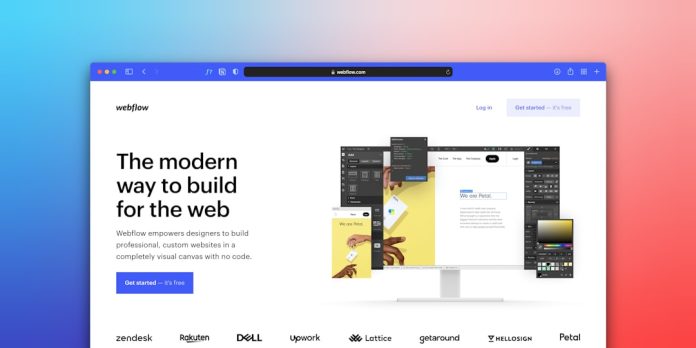
Branding agencies should usually start with WordPress or Webflow-friendly production partners. Your main risk is turning beautiful designs into clunky pages, so front-end care matters.
SEO agencies need developers who understand Core Web Vitals, schema, redirects, crawlability, and CMS structure. A pretty site that tanks organic traffic is not a win.
Paid media agencies should look for landing page teams with fast turnaround. Speed matters here. If campaign launch assets take two weeks, your media calendar suffers.
eCommerce agencies need Shopify, WooCommerce, or Magento depth. Payment flows, product variants, shipping rules, and checkout bugs can get expensive fast.
Product strategy firms should choose custom software teams with discovery, UX, architecture, and post-launch support. A cheap MVP can become costly when the first real users arrive.
Red flags that should stop the deal
- They refuse to show relevant samples or case summaries.
- They cannot explain their QA process in plain language.
- They give a fixed price before reviewing full requirements.
- They avoid questions about code ownership.
- They promise senior developers but assign unknown juniors without review.
- They have no clear policy for urgent bugs after launch.
The practical final pick
If your agency sells mostly websites, start with a specialist white label WordPress or front-end partner. If you sell stores, choose an eCommerce-focused team. If you sell custom platforms, use a software studio with strong discovery and architecture skills.
The right partner should help you close more work, protect your margins, and keep clients calm. Start small. Send one paid pilot project. Track response time, defect rate, revision quality, and how often your project manager has to chase updates. That data will tell you more than any polished pitch deck.





Recent Comments