




Step into any modern supermarket and you are stepping into a carefully engineered environment. From the scent of fresh bread near the entrance to the subtle background music and the strategic placement of everyday essentials, retail spaces are designed with precision. Nothing is accidental. Every aisle, promotion, and loyalty offer is part of a broader strategy to keep you browsing longer, spending more, and returning frequently.
TLDR: Supermarkets use psychology, data, store design, pricing strategies, and loyalty programs to influence how long you shop and how much you spend. Product placement, sensory cues, and personalized promotions are all carefully engineered to encourage repeat visits. Retailers analyze your behavior in detail, using data to refine tactics in real time. The result is a highly optimized shopping experience designed to make coming back feel natural—and rewarding.
The Science of Store Layout
All Heading
One of the most powerful tools retailers use is spatial design. The layout of a supermarket is engineered to maximize exposure to products. Most stores use what is known as the “free-flow” layout combined with a loop that guides customers through high-margin sections.
Consider these common tactics:
- Fresh Produce at the Entrance: Bright colors and healthy imagery create a positive first impression and signal quality.
- Essential Items at the Back: Milk, eggs, and bread are deliberately placed far from the entrance, forcing shoppers to pass numerous other products.
- High-Margin Items at Eye Level: Products with better profit margins are placed directly in your line of sight.
- Impulse Buys at Checkout: Candy, magazines, and small gadgets capitalize on last-minute decision making.
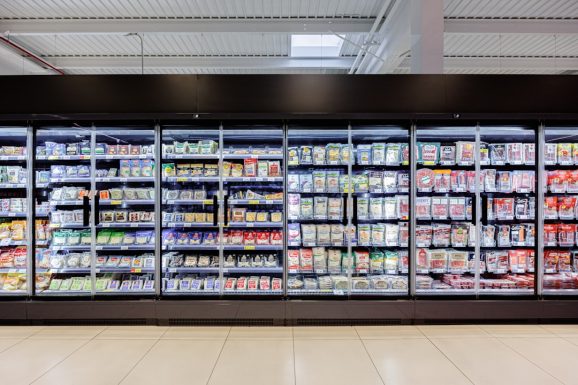
This layout subtly increases what experts call dwell time. The longer you stay in the store, the more likely you are to make unplanned purchases. Studies consistently show that unplanned purchases can account for over 50% of supermarket sales.
Pricing Psychology: The Illusion of Savings
Pricing in supermarkets is rarely straightforward. Instead, it leverages well-established psychological principles.
Charm Pricing remains one of the most recognizable tactics. Prices ending in .99 feel significantly cheaper than rounded numbers, even when the difference is minimal. A product priced at $4.99 appears meaningfully less expensive than $5.00, despite the one-cent gap.
Another key strategy is anchoring. Retailers often place a premium product next to a slightly cheaper alternative. The higher-priced item serves as a reference point, making the mid-range option appear more attractive.
- Decoy Pricing: Introducing a third option to drive choice toward a targeted product.
- Multi-buy Offers: “Buy 2, get 1 free” increases volume per transaction.
- Limited-Time Promotions: Creates urgency and reduces rational decision-making time.
Even signage color plays a role. Red tags and bold fonts convey urgency and savings, triggering faster purchasing decisions.
Sensory Marketing: Influencing Mood and Behavior
Supermarkets are multisensory environments. Retailers carefully manage what you see, hear, and smell.
Music affects shopping pace. Slower tempos encourage leisurely browsing, while faster music increases turnover during busy hours. Volume levels are calibrated to maintain comfort without shortening visits.
Lighting highlights fresh produce and bakery sections to enhance perceived freshness. Warmer lighting in certain departments evokes comfort and quality.
Scent Marketing is especially powerful. The smell of baked bread or roasted chicken triggers hunger cues, often leading to spontaneous food purchases.
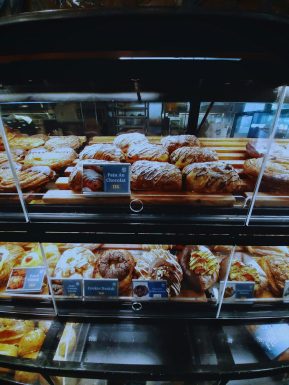
These cues operate largely below conscious awareness. Customers may believe their decisions are rational, yet environmental stimuli heavily influence outcomes.
The Power of Loyalty Programs
Loyalty programs are among the most effective retention tools in retail. On the surface, they appear to reward customers for repeat purchases. In practice, they serve a dual purpose: incentivizing return visits and collecting behavioral data.
Key components of loyalty systems include:
- Points Accumulation: Encourages repeat visits to reach reward thresholds.
- Personalized Discounts: Tailored promotions based on purchasing history.
- Exclusive Member Pricing: Creates a feeling of insider access.
- Gamification Elements: Bonus challenges and limited-time earning boosts.
This approach builds what behavioral economists call switching costs. Customers become reluctant to shop elsewhere because they would forfeit accumulated rewards or personalized deals.
More importantly, loyalty programs generate vast data sets. Retailers track:
- Shopping frequency
- Basket size
- Brand preferences
- Price sensitivity
- Response to promotions
This data feeds predictive algorithms that anticipate needs and deliver targeted offers, increasing both satisfaction and profitability.
Personalization Through Data Analytics
Modern supermarkets operate more like technology companies than traditional grocers. Advanced analytics allow retailers to micro-segment their customer base.
For example:
- A household with young children may receive diaper and snack promotions.
- Health-conscious shoppers see discounts on organic produce.
- Price-sensitive consumers receive more aggressive coupon incentives.
The effectiveness lies in relevance. Customers perceive personalized offers as helpful, not manipulative. This increases brand trust and deepens reliance on the store.
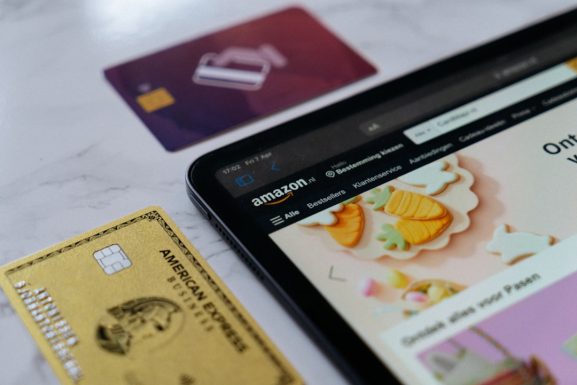
Some retailers even adjust pricing dynamically based on demand patterns, weather forecasts, and competitor activity. The result is a constantly optimized retail strategy that evolves alongside consumer behavior.
Private Labels: Strategic Brand Positioning
Private label products—store-owned brands—are strategically positioned as value alternatives to national brands. Over time, many have improved significantly in quality, creating strong customer loyalty.
Retailers benefit in several ways:
- Higher Profit Margins: Eliminating intermediary brand costs.
- Exclusive Availability: Products cannot be price-compared elsewhere.
- Brand Ecosystem Control: Encouraging broader store reliance.
End-cap displays and promotional placements often feature private labels prominently. Once customers trust store brands, price comparison becomes less relevant, strengthening long-term retention.
The Role of Convenience
Convenience is perhaps the most underestimated retention strategy. Retailers invest heavily in:
- Self-checkout stations
- Mobile payment systems
- Online ordering with in-store pickup
- Home delivery options
Reducing friction increases frequency. When shopping feels effortless, consumers are less likely to explore competitors.
The integration of digital and physical channels—often termed omnichannel retail—ensures customers remain within a single branded ecosystem whether shopping in person or online.
Scarcity and Urgency Tactics
Time-limited offers and seasonal displays tap into fear of missing out. Limited-edition products create excitement and perceived exclusivity.
Examples include:
- Holiday-themed packaging
- Seasonal flavors
- Flash sales promoted through apps
Behavioral research shows that scarcity increases perceived value. Even when substitutes are available, limited availability enhances desirability.
Community and Emotional Connection
Finally, modern supermarkets emphasize community engagement. Sponsoring local events, promoting regional suppliers, and aligning with social causes fosters emotional attachment.
When customers identify with a retailer’s values, loyalty extends beyond price considerations. Trust becomes relational rather than transactional.
In-store experiences such as cooking demonstrations or tasting stations further deepen engagement. These interactions create memory associations that strengthen long-term brand affinity.
The Ethical Dimension
While these strategies are effective, they raise important ethical considerations. The line between persuasion and manipulation can be thin. Data collection practices must be transparent, and pricing tactics should remain fair.
Consumers are becoming more aware of behavioral marketing techniques. Retailers that maintain trust through responsible practices are more likely to succeed in the long term.
Ultimately, loyalty cannot be forced—it must be earned.
Conclusion
The modern supermarket is a sophisticated ecosystem driven by data, psychology, and strategy. From store layout and pricing structures to sensory cues and loyalty programs, every element is calibrated to influence behavior. The objective is not simply to make a sale, but to create habits.
When customers perceive value, convenience, and relevance, repeat visits become routine. What feels like personal preference is often the result of meticulously crafted retail design. Understanding these mechanisms does not diminish their effectiveness—but it does empower consumers to make more conscious choices.
In the end, retailers keep you coming back not by chance, but by design.




Recent Comments