







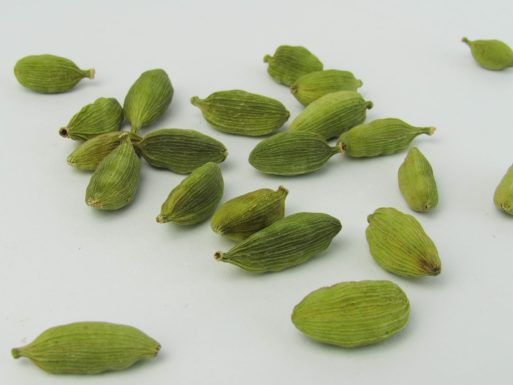
Renowned for its versatility and mild citrusy flavor, koriandri—known in English as coriander—is much more than a simple garnish. From ancient wellness remedies to modern kitchens across the globe, koriandri is a herb that has stood the test of time. Found in both its leafy form (cilantro) and as dried seeds, it brings taste, aroma, and countless health benefits to those who incorporate it into everyday life.
TLDR (Too Long, Didn’t Read)
All Heading
Koriandri, or coriander, is a well-loved culinary herb and spice used for both flavor and health benefits worldwide. It boasts anti-inflammatory, antioxidant, and digestion-aiding properties, making it a staple in traditional and modern kitchens alike. The entire plant—leaves, stems, and seeds—can be used, adding depth to both sweet and savory dishes. Whether cooked or used raw, koriandri enriches meals and contributes positively to overall well-being.
Historical Footsteps of Koriandri
Tracing its roots back to the Mediterranean and Middle Eastern regions, koriandri has been cultivated for over 7,000 years. Ancient civilizations, including the Egyptians and Greeks, recognized the plant’s medicinal and culinary properties. Its Latin name, Coriandrum sativum, appears in ancient texts as both a flavoring agent and a healing tonic.
As trade routes expanded, koriandri traveled through Asia, Africa, and Europe, becoming an essential ingredient in Indian curries, Mexican salsas, Chinese broths, and Moroccan tagines. Today, it is a global herb—common in spice racks, herb gardens, and even pharmaceutical research labs.
Nutritional and Health Benefits
More than just a flavor enhancer, koriandri is packed with nutrients. Both the leaves and seeds carry distinct profiles of vitamins, minerals, and essential oils that contribute to better health.
- Rich in Antioxidants: Koriandri contains compounds like quercetin and tocopherols, which help neutralize harmful free radicals.
- Supports Digestive Health: The essential oils in koriandri stimulate digestive enzymes and are known to soothe bloating and indigestion.
- Anti-Inflammatory Properties: Particularly in the seeds, koriandri boasts natural anti-inflammatory agents that help conditions like arthritis.
- Blood Sugar Regulation: Studies have shown koriandri seeds may help regulate blood sugar levels in prediabetic individuals.
- Cholesterol Management: Koriandri has been observed to help reduce LDL (“bad”) cholesterol, while increasing HDL (“good”) levels.
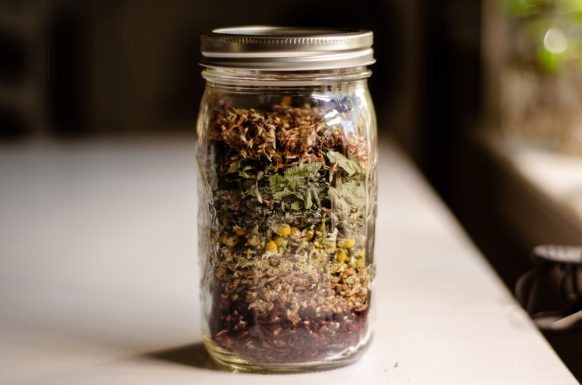
Culinary Uses Across the Globe
Koriandri is truly a global culinary star. Every part of the plant—the leafy greens, tender stems, and dried seeds—plays a role in a broad variety of traditional dishes and fusion recipes.
Leafy Koriandri (Cilantro)
Koriandri leaves are delicate and should typically be added at the end of cooking. They’re ideal in:
- Mexican Cuisine: Guacamole, salsas, and tacos often feature fresh cilantro for a zesty finish.
- Indian Curries and Chutneys: Adds freshness and balances heat in spicy dishes.
- Vietnamese Pho: Offers a clean aromatic top note, harmonizing with spices and broth.
Koriandri Seeds
The seeds have a warm, nutty flavor when ground or toasted. They are a cornerstone in spice blends such as garam masala and ras el hanout. Common uses include:
- Middle Eastern Dishes: Added to lamb and poultry marinades for deeper flavor.
- European Pickling: A classic ingredient in many brines and relishes.
- Baking: In Nordic countries, coriander seeds are used in rye breads for a mild citrus lift.

Coriander in Everyday Cooking
Incorporating koriandri into daily recipes is easier than ever. Whether it’s sprinkling fresh leaves on a soup, adding ground seed to bread dough, or infusing oils with its essence, koriandri elevates even simple dishes. Here are a few ideas:
- Vegetable Stir-Fry: Add fresh koriandri leaves just before serving for a burst of flavor.
- Homemade Spice Mixes: Blend coriander, cumin, paprika, and turmeric for a versatile seasoning.
- Herbal Infused Oil: Gently warm olive oil with crushed coriander seeds and garlic—perfect for salad dressings.
Because it is generally well tolerated and low in allergens, koriandri suits many diets, from vegan to Mediterranean, and from paleo to Ayurvedic.
Traditional Medicine and Modern Research
In Ayurveda, koriandri is valued for its cooling properties, often used to treat digestive upset and excessive heat in the body. Similarly, Traditional Chinese Medicine regards it as a warming herb that stimulates appetite and regulates energy flow.
Modern science is catching up. Clinical studies have shown that koriandri’s antibacterial and antifungal properties are effective against foodborne pathogens. Researchers are currently investigating its potential in managing conditions such as irritable bowel syndrome (IBS), chronic inflammation, and even anxiety.
Storage and Preservation Tips
Coriander’s flavor and aroma diminish quickly if not stored correctly. Here’s how to make the most of it:
- Fresh Leaves: Wrap in damp paper towel and place inside a plastic bag in the refrigerator. Use within 5 days.
- Dried Seeds: Store in airtight containers away from light and heat. Whole seeds retain potency longer than ground.
- Freezing: Chop and freeze leaves in ice cube trays with water or olive oil for easy later use.
Conclusion
More than a humble herb, koriandri stands as a trusted companion in kitchens and medicine cabinets worldwide. It enhances flavor without overpowering, promotes wellness through nutrients and healing properties, and adapts beautifully to both traditional and modern cooking styles.
From a freshly ground spice on flatbreads to a handful of torn leaves on a noodle soup, koriandri is indeed a herb worth celebrating every day.
Frequently Asked Questions (FAQ)
- Q: Is koriandri the same as cilantro?
A: Yes, they come from the same plant: the leaves and stems are known as cilantro, while the seeds are coriander (koriandri). - Q: Can koriandri help with digestion?
A: Absolutely. The herb contains compounds that stimulate digestive enzymes, making it ideal for easing bloating and gas. - Q: What’s the best way to store fresh koriandri?
A: Wrap it in a damp towel and place it in a plastic bag in the refrigerator to keep it fresh for several days. - Q: Can I use dried leaves instead of fresh?
A: While dried leaves are available, they lose much of their flavor. Fresh cilantro is usually preferred for optimal taste. - Q: Are there any health risks?
A: Koriandri is generally safe but should be used in moderation. In rare cases, it may cause allergic reactions or interact with medications. Always consult with a healthcare provider if you are unsure.






Recent Comments