





Designing outstanding clothing often begins with something deceptively small but crucial: the logo. In the world of fashion, a logo is more than just visual decoration—it’s a brand’s identity stitched or printed onto every piece. With the rise of online design tools, creating a unique clothing logo is now more accessible than ever. However, to stand out in a saturated market, you need more than clipart and lucky experimentation. You need strategy, creativity, and an understanding of design principles tailored to the apparel industry.
TL;DR
All Heading
Creating distinctive clothing designs with a logo maker requires an intentional blend of creativity and brand clarity. Choose tools that allow maximum customization, stay on-brand with fonts and colors, and always consider how your logo will adapt across various apparel formats. Avoid generic templates and instead focus on innovation, scalability, and brand consistency. Testing and customer feedback provide crucial final steps before launching your clothing line.
Why a Unique Logo Matters in the Apparel Industry
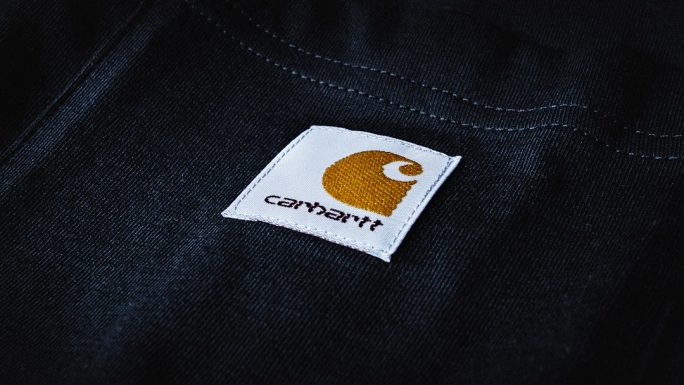
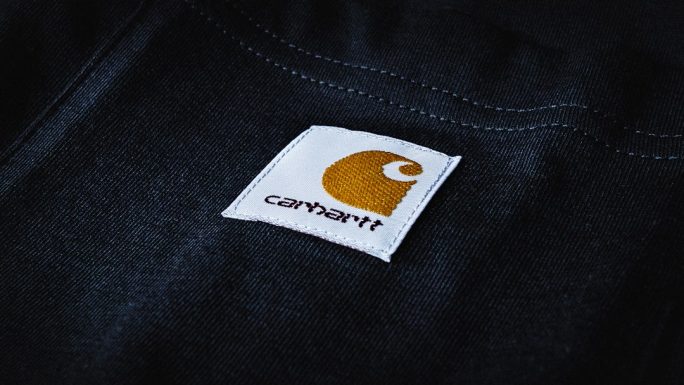
Your logo is not just a mark—it’s a long-term investment in customer perception. When placed on clothing, it signals authenticity, culture, and trust. A memorable design becomes wearable branding that transforms customers into walking ambassadors. With the explosion of direct-to-consumer fashion labels, a powerful logo can be a key differentiator.
Step-by-Step Guide to Creating Unique Clothing Logos Using a Logo Maker
1. Choose the Right Logo Maker
Not all logo makers are created equal. A serious clothing brand requires tools that offer more than generic icons. Look for a logo maker that offers:
- Advanced customization: Ability to tweak every detail including kerning, spacing, shapes, and effects.
- Vector output: Scalable logo files (usually SVG or PDF) suitable for printing on all garment types.
- Font libraries: A wide array of commercial-use fonts that can communicate your brand voice.
- Color management: Precise control over color codes and palettes.
Recommended tools to consider include Looka, Canva Pro, and Adobe Express for users seeking both ease of use and professionalism.
2. Define Your Brand Before You Design
Before opening a logo maker, get clear on what your clothing brand represents. This lays the foundation for every design choice you’ll make. Ask yourself:
- What values does my brand represent? (e.g., sustainability, culture, rebellion)
- Who is my target audience? (e.g., athletes, streetwear fans, eco-conscious customers)
- What tone should the logo convey? (e.g., bold, minimalist, futuristic)
Write down 3-5 keywords that describe your brand identity and use them to guide design decisions. These can also serve as search terms when browsing logo templates or muse elements.
3. Create a Versatile Logo Layout
Your logo will appear on tags, shirt pockets, hat fronts, and possibly their boxes and social media banners. It must adapt to both large and small formats. Here’s how to manage scalability:
- Avoid overly complicated designs; simplicity is more scalable and recognizable.
- Create multiple versions: a full logo, an icon-only version, and a stacked or horizontal variant.
- Outline all fonts and flatten complex elements before printing.
Tips for Customizing Templates to Avoid Generic Designs
Using templates wisely is crucial. Templates are a great starting point, but to truly stand out, substantial customization is necessary. Here are the essential moves:
- Modify shapes and layout: Move beyond what the template gives you. Adjust sizing, add unexpected borders, or merge elements.
- Change typography creatively: Mix serif with sans-serif fonts, modify individual letters, or even hand-draw specific symbol fonts using the tool’s vector pen.
- Get bold with color: Don’t stick to defaults. Use brand-appropriate color theory to attract your chosen demographic. Contrast and bold monochrome palettes work well on textiles.
- Use your own icons or textures: Many logo makers allow you to upload custom artwork, which adds complete uniqueness.
4. Test Your Logo in Real Apparel Contexts
Before declaring a final design, place your logo in mockup templates to simulate real-life clothing applications. This acts as a filter to catch mistakes or incompatibilities that aren’t obvious in a digital view. Most logo makers or design platforms today support clothing mockups or integrate with tools like Placeit, Smartmockups, or Adobe Dimensions.
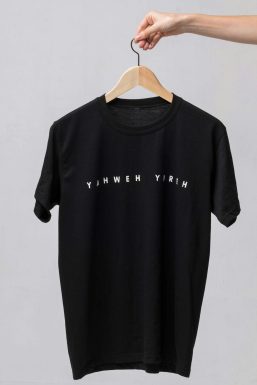
Try your logo on:
- A white and a black t-shirt
- A hoodie with zipper and hood creases
- A hat with embroidery simulation
- An inner tag or neck label
This ensures your logo not only looks good on screen, but translates effortlessly into fabric production.
Avoiding Common Mistakes When Using Logo Makers for Fashion
Because logo makers tend to simplify design processes, many users fall into the trap of over-relying on templates or producing style-over-substance results. Here’s what to avoid:
- Using stock icons unchanged: Thousands of others may choose the same unicorn, skull, or arrow unless you alter or combine elements strategically.
- Inconsistent branding: Using different versions or styles on different garments can confuse buyers.
- Illegible small-size text: Your tagline shouldn’t disappear when printed on a sleeve or woven label.
Best Practices to Make Your Logo Timeless
Styles change quickly, but timeless logo designs outlast trend cycles. When using a logo maker for your clothing line, take the following into consideration:
- Stick to one or two strong fonts. Font choice often defines a brand more than icons or shapes.
- Keep it readable and scalable. Think beyond large-format printing—your logo should still work when embroidered onto the corner of a hat.
- Avoid dependency on color alone. Test your logo in black-and-white, grayscale, and duotone versions. It should still be recognizable.
Getting Feedback and Finalizing Your Design
Don’t launch blindly. Use focus groups or even quick Instagram polls with anonymized logos to gather input. Ask potential users which design looks more premium, readable, or stylish. After evaluating feedback, polish your final vector file and store different format versions for use in:
- Product printing (SVG, AI)
- Digital storefront and website (PNG, WebP)
- Social avatars and media (square and round crops)
Finally, trademark your design if your brand is serious. Many clothing companies skip this critical step, only to face issues later as their popularity grows.
Conclusion
The right logo design is a cornerstone of your clothing brand’s identity and messaging. Using a logo maker doesn’t mean giving up quality—it means leveraging accessible tools with creativity and strategic intent. By understanding the nuances of your audience, customizing your designs, and testing adaptability, you can create a logo that truly stands out in the fashion world. Combine design thinking with smart execution, and your garments will wear your identity with pride.
 graphic design, clothing branding, logo sketching[/ai-img>
Remember: A logo is not just a symbol. For clothing brands, it’s the face of your movement. Make it unforgettable.



Recent Comments