






Google’s latest AI evolution, Gemini, has been making waves in natural language processing and image generation. Designed to compete with top-tier models like GPT-4 and Midjourney, Gemini is Google’s attempt at fusing its AI advancements under one integrated platform. While it’s impressive when it works, some users have recently run into a frustrating issue: image generation simply doesn’t work.
TL;DR: Image Generation Failure in Google Gemini
All Heading
If your Google Gemini image generation isn’t working, don’t panic. The problem could be due to regional restrictions, the wrong model version, browser issues, or Google account limitations. This guide will walk you through detailed ways to diagnose and fix the issue so you can get back to creating high-quality AI-generated images in no time.
Why Is Google Gemini Image Generation Not Working?
Before diving into solutions, it helps to understand why you might be experiencing problems with Gemini’s image generation. Here are some of the most common causes:
- Model version mismatch: You might not be using the Gemini model that supports image generation.
- Geo-restrictions: Google selectively enables image generation in specific countries.
- Account or policy limitations: Your account may not have the permissions required to generate images.
- Browser compatibility issues: Gemini might not function properly on all browsers or with certain browser settings.
- Google server issues: Occasionally, the problem is on Google’s end—not yours.
Check If Image Generation Is Available for Your Region
One of the most overlooked reasons for Google Gemini image generation issues is the current availability limitations. Google often rolls out features like image generation in phases or restricts them based on local laws and AI policy concerns.
- Currently, countries like UK, Canada, and most of the EU may only have limited access to image features.
- US-based accounts seem to have the highest success rates in using image generation tools within Gemini.
Solution: If you suspect regional limitations, try accessing Gemini via a VPN located in the United States. However, be cautious and ensure this complies with Google’s terms of service.
Make Sure You’re Using the Right Gemini Model
Not all versions of Gemini support image generation. Google’s AI platform often switches between different models based on subscription tier and task type.
- Only certain versions—often labeled Gemini Pro or Gemini Advanced—have image generation capabilities.
- If you’re using the free tier, it may be limited to text-based prompts only.
To verify which model you’re using:
- Open Gemini in your browser.
- Look at the banner or header, which often states the model version.
- If it reads “Gemini 1.5 Pro” or higher, you should have image support.
If your version doesn’t match, you can consider upgrading or switching to a compatible model within the interface.
Browser and Extension Issues
Sometimes, your browser might be the real culprit behind non-functioning image generation. From blocking scripts to disabling essential GPU acceleration, browsers can interfere with how Gemini operates.
Recommended browser: Google Chrome (unsurprisingly) tends to work best with Gemini.
Steps to troubleshoot:
- Disable any ad blockers or script blockers.
- Clear your browser cache and cookies.
- Disable extensions temporarily to see if one of them is causing conflicts.
- Ensure hardware acceleration is enabled.
- Try disabling Incognito Mode if you’re in it—some features won’t work without a fully authenticated session.
Check Your Google Account and Permissions
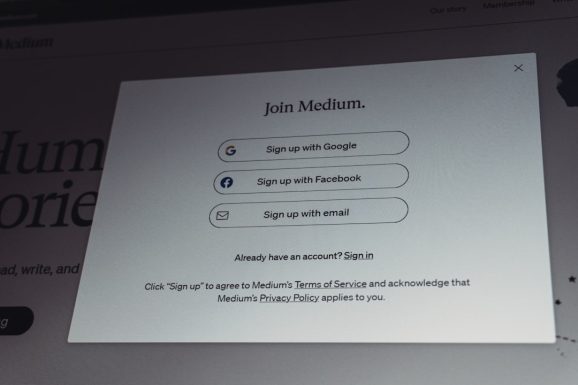
Gemini is tightly integrated into your Google account. If you’re signed in with an account that has restricted settings (particularly in Workspace/Enterprise environments), image generation might be disabled by default.
Steps to verify:
- Make sure you’re signed into a personal Google account (not a school or work account).
- Confirm that your account’s language and region settings match a country where image generation is supported.
- Try accessing Gemini in a different browser with a different account to isolate the issue.
Note: Parental controls and SafeSearch settings may also restrict access to AI-generated images, especially on family accounts.
Is Google Experiencing Outages?
Before you make any more changes on your end, consider checking whether the problem is with Google itself. Google occasionally has downtime or temporarily disables features during updates or policy adjustments.
Here’s how to check:
- Visit Google Workspace Status Dashboard.
- Search Twitter or Reddit for up-to-date user feedback.
- Try Gemini from a different device or browser to rule out local issues.
If there’s a system-wide outage, your best bet is to wait. Unfortunately, there’s not much that can be done until Google resolves the issue.
Using a VPN to Access Full Gemini Features (With Caution)
If you suspect that geographic restrictions are preventing Gemini from generating images, using a VPN can be a temporary workaround.
How to do it safely:
- Choose a reliable VPN provider with servers in the U.S.
- Clear your cookies after connecting to avoid localization conflicts.
- Access Gemini and attempt to use the image generation feature.
Important: While using a VPN can unlock features, it’s advisable to ensure you’re not violating Google’s Terms of Service. Proceed at your own risk.
Contacting Support or Reporting Bugs
If all else fails, Google does allow users to report issues directly from within the Gemini interface. While it’s not the fastest solution, it can lead to fixes especially if multiple users are reporting the same issue.
Steps:
- Open Gemini in your browser.
- Click on the menu icon (three dots) in the upper-right corner.
- Choose “Send feedback” and describe the error or bug.
- Include screenshots if possible.
This step not only notifies Google of the glitch but also helps you keep a record of the problem for future reference.
Conclusion: Don’t Let a Glitch Stop Your Creativity
Google Gemini is a powerful tool, but like any evolving technology, it’s prone to hiccups. Image generation might not be working for a number of reasons, ranging from simple browser misconfigurations to backend restrictions or policy lockouts. The good news? In most cases, there’s a fix.
By following the above steps—checking your model, adjusting browser settings, verifying your account, or even using a VPN—you can likely resolve the issue without too much effort. And once it’s fixed, you’re free to explore the full creative potential of AI-generated imagery.
Keep an eye on official updates from Google, and don’t hesitate to loop in online communities for additional support and ideas. Technology moves fast, and staying informed is your best bet to make the most of it.





Recent Comments