







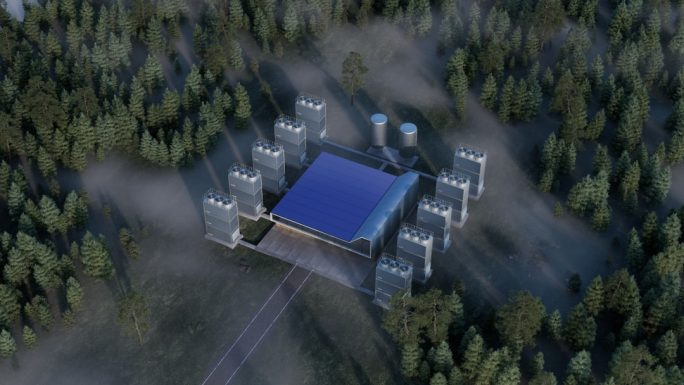
In recent years, traditional tourism has taken an unexpected but luxurious detour. As more travelers seek unique, immersive, and environmentally conscious experiences, a new trend has emerged at the intersection of comfort and nature: glamping. This portmanteau of “glamorous” and “camping” is no longer just a novelty—it is rapidly becoming a driving force in the global travel economy.
TLDR:
All Heading
Glamping, or luxury camping, is reshaping the tourism industry by offering high-end outdoor experiences with minimal environmental impact. This emerging trend blends the thrill of traditional camping with the comfort of resort-like amenities. It appeals to a diverse range of travelers, from eco-conscious adventurers to urban dwellers craving a digital detox. As sustainable luxury gains popularity, glamping is set to transform how people explore and engage with nature.
What Is Glamping?
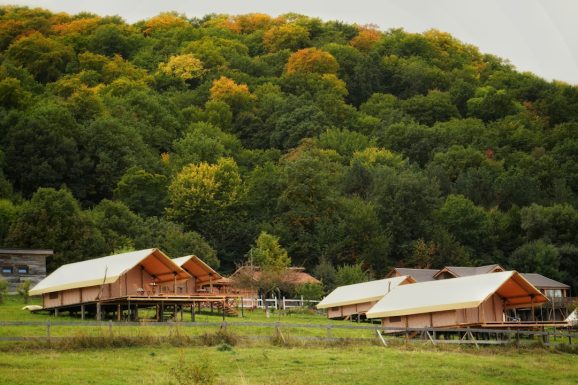
Glamping is a style of camping that includes luxurious facilities and amenities typically not associated with traditional camping. Think canvas tents with king-sized beds, private hot tubs, gourmet meals, and Wi-Fi—set amid remote forests, deserts, or mountains. The concept makes the outdoors accessible and appealing to travelers who might otherwise avoid roughing it with basic tents and sleeping bags.
This form of travel often combines eco-friendly designs with curated experiences like yoga retreats, guided nature hikes, and local culinary tours. As a result, glamping is gaining momentum across various types of accommodations, including:
- Safari-style tents
- Treehouses
- Yurts
- Geodesic domes
- Tiny homes and converted vans
The Rise of Glamping as an Economic Engine
According to data from industry analysts, the global glamping market was valued at approximately $2.7 billion in 2022 and is projected to exceed $5.9 billion by 2030. The rise in disposable income, a growing emphasis on wellness tourism, and an increased interest in nature-based experiences are driving this expansion.
Major hospitality brands and startups alike are now investing heavily in glamping resort developments. Airbnb, for instance, has seen a surge in listings for glamping sites, demonstrating increasing traveler demand for unique, off-the-beaten-path accommodations.
Target Audiences Fueling Glamping’s Growth
Glamping appeals to a wide demographic, which is one reason for its global surge in popularity. Key groups contributing to this trend include:
- Millennials and Gen Z Travelers: These younger demographics prioritize experiences over material goods. Glamping offers Instagram-worthy moments, nature connections, and eco-conscious travel in one package.
- Eco-Conscious Tourists: Sustainability has become a major factor in how people choose to travel. Many glampsites use solar power, composting toilets, and eco-friendly materials, aligning with these travelers’ values.
- Families and Multigenerational Travelers: Glamping provides enough comfort for travelers of all ages, allowing entire families to comfortably enjoy immersive outdoor experiences.
- Remote Workers and Digital Nomads: With strong Wi-Fi offerings, many glamping resorts cater to people looking to blend work with leisure in inspiring environments.
Global Hotspots for Glamping
There are glamping destinations on every continent, each offering unique proximity to nature and local culture. Some of the most popular regions include:
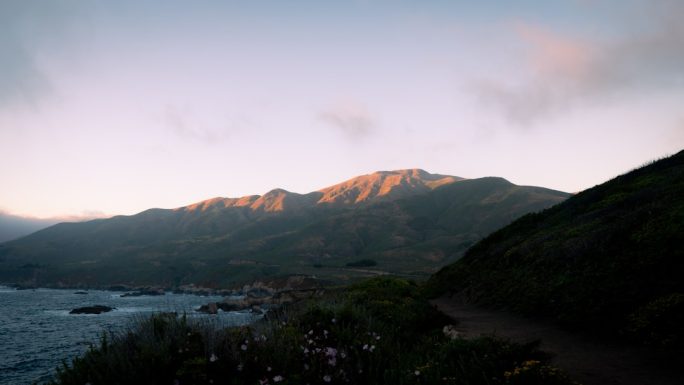
- North America: The United States and Canada boast a growing number of glamping resorts, especially in national parks and near scenic landmarks like the Rocky Mountains and the California coast.
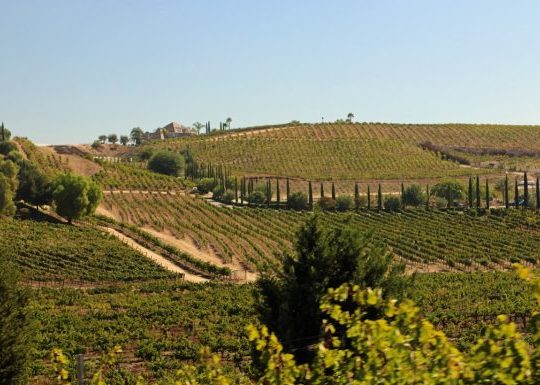
- Europe: Countries like France, Italy, and the UK are leveraging their stunning countryside and cultural landmarks to attract glamping tourists. Mediterranean settings near vineyards and olive groves are especially popular.
- Asia: Thailand, Indonesia, and Japan are incorporating traditional architecture and tropical landscapes into luxury camping set-ups that appeal to both international and local travelers.
- Africa: Safari-style glamping in Kenya or Tanzania has long been popular, but newer eco-resorts offer similar luxury experiences with a wider price range.
The Sustainable Side of Luxury
Glamping tends to be more sustainable than traditional hospitality models. By minimizing permanent construction and maximizing integration with the natural environment, many glampsites conserve land and use fewer resources. Some common sustainability practices include:
- Solar panel installations for off-grid power
- Locally sourced building materials
- Rainwater collection systems
- Organic or on-site food offerings
Furthermore, the emphasis on fewer guests per site means less strain on nearby ecosystems. While luxury travel has often been associated with high environmental costs, glamping offers a middle path that allows indulgence without excess.
Technology and Digitalization in Glamping
Though immersed in nature, many glamping sites now offer state-of-the-art amenities. Technology is enhancing guest experiences more than ever, with features such as:
- Mobile check-ins and smart locks
- Automated lighting and heating systems
- App-driven concierge services
- Drone photography packages for breathtaking landscape shots
This blending of wilderness and tech has attracted an entirely new segment of the population—those who value convenience but also crave spectacle and serenity.
Challenges and What the Future Holds
Despite its growth, glamping is not without challenges. Land use regulations, seasonal limitations, and environmental concerns related to over-tourism must be carefully managed. As the industry grows, maintaining authenticity and ecological responsibility will be essential.
Going forward, the trend is likely to expand further into virtual tourism experiences, hybrid stays combining wellness and glamping, and collaborations with indigenous communities to offer more culturally enriching experiences. Investors and developers are expected to continue pushing boundaries while pursuing innovative, low-impact design and services.
Conclusion
Glamping is no longer a fringe alternative to backpacking or hotel travel—it’s a driving force reshaping how tourists interact with nature, luxury, and sustainability. As it continues to evolve, it holds the promise of more accessible, meaningful, and responsible adventure travel for a diverse and growing audience. Whether on a mountain peak or deep in a serene forest, glamping offers a redefinition of what it means to get away from it all.
FAQs About the Glamping Economy
- What does glamping mean?
Glamping is short for “glamorous camping,” offering upscale camping experiences with amenities like comfortable beds, electricity, and sometimes even spa services. - Is glamping only for the wealthy?
Not necessarily. While some sites are ultra-luxurious, a wide range of price points makes glamping accessible to mid-budget travelers as well. - How is glamping different from traditional camping?
Traditional camping typically involves roughing it with minimal facilities, while glamping offers comfort and convenience similar to a boutique hotel. - Where can I go glamping?
Glamping sites exist worldwide, including national parks, beaches, forests, deserts, and even urban rooftops. Popular countries include the U.S., UK, Australia, and Thailand. - Is glamping environmentally friendly?
Many glamping accommodations utilize sustainable practices like solar energy, compost toilets, and eco-friendly materials to reduce their environmental impact. - Can I work remotely while glamping?
Yes. Many luxury glamping sites offer high-speed internet and work-friendly spaces for digital nomads and remote workers.





Recent Comments