







Dental emergencies can happen without warning, turning an ordinary day into a painful and stressful experience. Whether it is a sudden toothache, a knocked-out tooth, or swelling in the gums, knowing how to respond before you reach a dentist can make a significant difference in the outcome. Acting quickly and correctly may help preserve a tooth, reduce complications, and prevent further damage. While professional care is always necessary for true dental emergencies, the steps you take in the first minutes and hours are critically important.
TLDR: Dental emergencies require calm, immediate action to prevent worsening damage. Rinse your mouth, control bleeding, reduce swelling, and protect injured teeth as soon as possible. A knocked-out tooth must be handled carefully and kept moist until you see a dentist. These first steps do not replace professional care but can significantly improve the chances of recovery.
Recognizing a Dental Emergency
All Heading
Not all dental discomfort requires urgent care, but certain symptoms signal the need for immediate attention. Understanding the difference between routine dental issues and emergencies can help you react appropriately.
Common dental emergencies include:
- Severe toothache that does not subside
- Knocked-out (avulsed) tooth
- Cracked or broken teeth
- Uncontrolled bleeding from the mouth
- Swelling in the face or gums, especially with fever
- Abscess or signs of infection
- Lost fillings or crowns causing intense sensitivity
If you experience difficulty breathing, swallowing, or notice significant facial swelling, seek emergency medical care immediately, as this may indicate a serious infection.
What to Do for a Severe Toothache
A persistent, intense toothache often points to infection, decay, or trauma. While waiting to see a dentist, managing pain and preventing further irritation are your priorities.
Immediate steps:
- Rinse your mouth gently with warm saltwater to reduce bacteria and soothe tissue.
- Use dental floss to remove any trapped food particles.
- Apply a cold compress to the outside of your cheek for 15 to 20 minutes to reduce swelling.
- Take over-the-counter pain medication such as ibuprofen, following dosage instructions carefully.
Avoid placing aspirin directly on the gums, as this can cause chemical burns to the tissue. Also avoid applying heat externally, as it may worsen swelling if infection is present.

How to Handle a Knocked-Out Tooth
A knocked-out tooth is one of the most time-sensitive dental emergencies. If handled correctly within the first hour, there is a real possibility the tooth can be reimplanted successfully.
Follow these steps immediately:
- Pick up the tooth by the crown, not the root.
- If dirty, rinse gently with water for no more than 10 seconds. Do not scrub or remove any attached tissue fragments.
- If possible, try to place the tooth back into its socket and hold it in place.
- If reinsertion is not possible, keep the tooth moist in milk, saline solution, or inside your cheek.
- Seek dental care immediately, ideally within 30 to 60 minutes.
Keeping the tooth moist preserves the delicate periodontal ligament cells on the root surface, which are essential for successful reattachment.
Managing a Cracked or Broken Tooth
Teeth may crack or break due to trauma, biting hard objects, or underlying decay. Even minor fractures can expose sensitive inner layers and lead to infection.
What you should do:
- Rinse your mouth with warm water.
- Save any broken fragments if possible.
- Apply gauze to control bleeding.
- Use a cold compress to reduce swelling.
- Avoid chewing on the affected side.
If the break has sharp edges, cover it temporarily with dental wax or sugar-free gum to protect your tongue and cheeks.
Dealing with a Dental Abscess
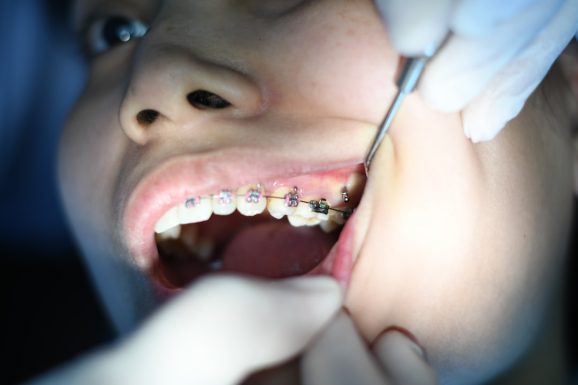
A dental abscess is a serious infection that forms near the root of a tooth or in the gums. It may appear as a swollen, pus-filled bump and is often accompanied by severe pain, fever, and bad taste in the mouth.
Immediate actions:
- Rinse with mild saltwater several times a day.
- Take pain relievers as needed and directed.
- Keep your head elevated to reduce pressure.
Do not attempt to drain the abscess yourself. This can spread infection and cause serious complications. Abscesses require urgent professional treatment, often including antibiotics and drainage.
Lost Fillings or Crowns
While not always immediately painful, a lost filling or crown exposes sensitive tooth structures and increases the risk of damage.
Temporary measures include:
- Keeping the area clean.
- Using temporary dental cement available at pharmacies.
- Avoiding sticky or hard foods.
- If a crown comes off, try placing it back over the tooth using temporary cement.
These steps are short-term solutions. Prompt dental evaluation is necessary to prevent further deterioration.
Controlling Bleeding After Oral Injury
Injuries to the lips, cheeks, gums, or tongue can cause substantial bleeding due to the rich blood supply in the mouth.
To manage bleeding:
- Rinse gently with water to clear debris.
- Apply clean gauze or cloth with firm pressure for at least 10 minutes.
- If bleeding persists beyond 15 minutes, seek medical care.
Cold compresses can help constrict blood vessels and reduce swelling.
Essential Items for a Dental Emergency Kit
Being prepared can significantly reduce panic and improve outcomes. Consider keeping a small dental emergency kit at home.
| Item | Purpose | Why It Matters |
|---|---|---|
| Gauze pads | Control bleeding | Essential for oral injuries |
| Saline solution | Rinse wounds or store tooth | Helps preserve knocked out tooth |
| Dental cement | Temporary filling repair | Protects exposed tooth structure |
| Cold pack | Reduce swelling | Minimizes inflammation and pain |
| Pain relievers | Control discomfort | Keeps symptoms manageable |
What Not to Do in a Dental Emergency
Well-intentioned but incorrect actions can worsen injuries.
- Do not ignore severe pain; it often signals infection.
- Do not place aspirin directly on gums.
- Do not use sharp objects to remove debris.
- Do not delay treatment for swelling or trauma.
- Do not allow a knocked-out tooth to dry out.
Time is a critical factor in many dental emergencies, particularly with tooth avulsion and infections.
When to Seek Immediate Medical Care
While most dental emergencies require a dentist, some may also require hospital care.
Go to an emergency room if you experience:
- Difficulty breathing or swallowing
- Rapidly spreading facial swelling
- High fever with facial pain
- Uncontrolled bleeding
Systemic symptoms may indicate a spreading infection that could become life-threatening without prompt intervention.
Staying Calm and Acting Decisively
Panic can interfere with sound judgment. Take slow, steady breaths and focus on practical steps. Contact your dentist immediately and clearly describe your symptoms. Many dental offices provide after-hours emergency instructions or referrals.
Documenting what happened, including the time of injury and actions taken, can also assist your dentist in determining the best course of treatment.
Prevention Remains the Best Protection
Although emergencies cannot be fully prevented, certain precautions reduce risk:
- Maintain regular dental checkups.
- Address minor dental issues before they worsen.
- Wear a mouthguard during sports.
- Avoid chewing hard objects like ice or pens.
- Practice consistent oral hygiene.
Routine preventive care significantly lowers the chance of sudden, severe dental problems.
Final Thoughts
Emergency dental situations demand swift, informed action. While home measures can stabilize the situation, they are never a substitute for professional treatment. The steps you take in the first minutes following an injury or sudden pain can influence whether a tooth is saved or lost, whether an infection spreads, or whether complications develop.
Preparedness, calm decision-making, and immediate professional consultation are the foundations of effective emergency dental care. Knowing what to do before seeing a dentist not only reduces pain and anxiety but may ultimately protect your long-term oral health.






Recent Comments