








In today’s digital age, it’s no surprise that children as young as seven or eight years old are using smartphones and tablets daily. Social media platforms like Instagram, TikTok, Snapchat, and Discord have become central spaces where young people spend much of their time, often leading parents and educators to question what effect, if any, these platforms have on children’s ability to form real, meaningful relationships with their peers. Do digital interactions substitute or support true connection?
TL;DR
All Heading
Social media can offer children real connections to peers, especially when distance or social anxiety limits in-person interaction. However, these platforms also carry significant risks, such as cyberbullying, superficial relationships, and reduced face-to-face engagement. A child’s experience often depends on age, platform use, and parental guidance. In moderation and with proper support, social media has the potential to be both a genuine and enriching social space.
The Digital Playground: Where Kids “Hang Out” Today
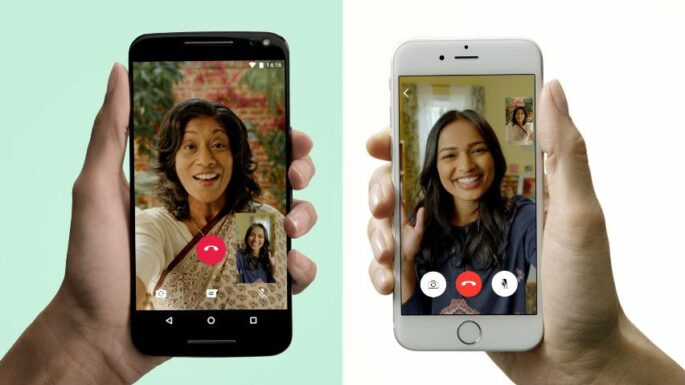
Unlike previous generations who gathered at parks, schools, or malls, today’s children primarily connect through screens. The shift isn’t just about convenience—many children see these platforms as their social lifeline. Whether it’s replying to stories on Instagram or participating in a group Discord server about a mutual hobby, these platforms mimic real-life peer groups.
Here are a few ways social media functions as a virtual playground:
- Building and maintaining friendships: Kids can foster new friendships or maintain existing ones, even when separated by long distances.
- Joining interest-based communities: Platforms like Discord and Reddit allow children to connect over shared hobbies, from gaming to art.
- Participating in global conversation: Social media allows kids to interact with peers from different backgrounds and cultures, giving them a broader perspective.

Emotional Support or Surface-Level Interaction?
One of the primary questions parents and experts ask is whether these interactions on social media are deep and meaningful or mainly shallow and performative. Research suggests that both realities exist, and the determining factor often hinges on how the child uses the platform.
According to a 2022 survey by Pew Research Center on teen social media use, around 81% of teens say that social platforms make them feel more connected to their friends, while 26% also admit that it makes them feel worse about their lives. This duality captures the complex relationship children have with their online identities and interpersonal connections.
Deep connections can arise when children use private messaging, engage in real conversations, and participate in collaborative online projects. On the other hand, apps that focus on public likes, comments, and short-lived content may foster more superficial ties focused on popularity rather than genuine engagement.
Pros of Social Media for Peer Connection
When used responsibly, social media can offer significant advantages for growing children who seek peer connection:
- Access to broader social circles: Especially for children in rural or isolated geographic locations or those with mobility challenges, digital platforms can be an essential lifeline.
- Increased confidence: Online platforms can give shy or socially anxious children a low-pressure way to express themselves.
- Immediate communication: Whether planning group projects, organizing playdates, or simply chatting, kids can stay in touch with ease.
Challenges and Downsides
Despite the obvious benefits, several concerns come with children using social media to build peer relationships, and these shouldn’t be ignored.
- Cyberbullying: Digital spaces can become breeding grounds for unhealthy peer dynamics, such as exclusion, gossip, and harassment.
- Comparison and low self-esteem: Constant exposure to curated versions of other children’s lives can lead to feelings of inadequacy and loneliness.
- Reduced offline interaction: Overreliance on digital communication can stunt the development of important face-to-face social skills like reading body language or tone of voice.
Furthermore, algorithms that determine what kids see may reinforce stereotypical norms, peer pressure, and echo chambers, limiting authentic emotional connection and diversity of thought.
The Role of Age and Maturity
Not all children are equipped to navigate social platforms in the same way. Developmental psychologists emphasize that the ability to establish deep emotional connections is tied to cognitive and emotional maturity. For example:
- Children aged 8–11: Typically still developing the ability to perceive complex social cues, making them more vulnerable to misunderstandings and emotional harm online.
- Tweens (ages 11–13): Beginning to prioritize peer approval, which can make them susceptible to social validation cycles such as likes and follower counts.
- Teens (14+): More capable of nuanced communication, and therefore more likely to use these platforms for meaningful interaction—if guided appropriately.
Because social maturity doesn’t always align with age, it’s essential for caregivers to evaluate on a case-by-case basis whether a child is ready for social media, and what kind of supervision or structure might be necessary.
Parental Involvement and Digital Literacy
Parental guidance plays a significant role in shaping the quality of children’s online experiences. Social media shouldn’t be a free-for-all; instead, it should be introduced with conversation and intention. Parents can enhance connection-building by:
- Maintaining open and non-judgmental dialogue about online interactions and feelings.
- Setting age-appropriate boundaries around access and time spent online.
- Encouraging participation in offline activities to ensure social balance.
In addition, fostering digital literacy is crucial. Teaching kids how to recognize fake accounts, misinformation, and emotional manipulation is just as important as teaching them granny’s cookie recipe or how to tie their shoes.
When Social Media Becomes a Lifeline
There are special cases where social media serves as more than just a supplemental tool—it becomes essential to social and emotional well-being. For children who are LGBTQ+, neurodiverse, or dealing with chronic illness, social platforms can offer validation, solidarity, and support that may not be available in their immediate physical environments.
For instance, a 13-year-old with autism may find it hard to interpret face-to-face cues but excel in text-based conversation. Likewise, a child in an unsupportive environment might find affirming communities online that help them feel seen and understood.
Conclusion: A Tool, Not a Replacement
So, does social media offer children a genuine connection to peers? The answer isn’t straightforward—it can. Just as a paintbrush doesn’t make someone an artist, social media doesn’t automatically facilitate meaningful relationships. But in the hands of thoughtful, guided, and digitally literate children, it can serve as a legitimate space to build lasting peer connections.
Like any aspect of development, the key lies in balance. Encouraging offline interaction, fostering face-to-face communication skills, and emphasizing quality over quantity in digital friendships can help young people navigate social media’s emotional landscape more successfully. With the right support system, social media can be a bridge—not a barrier—to deeper human connection.






Recent Comments