



Building an app used to sound scary. You needed to know code. Lots of code. You needed to speak languages like JavaScript or Swift. Not anymore. Today, you can build powerful apps without writing a single line of code. Tools like Bubble made this possible. And now, there are many more just like it.
TLDR: No‑code platforms let you build apps without programming skills. Tools like Bubble, Adalo, Glide, and Webflow make the process visual and simple. Each platform has its own strengths, pricing, and best use cases. The right tool depends on what kind of app you want to build.
Let’s explore some amazing apps like Bubble that help you turn ideas into real, working products. No coding degree required.
What Is Bubble?
All Heading
Before we jump into alternatives, let’s understand Bubble. Bubble is a no-code platform. It helps you build web apps using a drag-and-drop editor. You design pages visually. You create workflows using menus. You connect databases without touching code.
It is powerful. Very powerful. You can build:
- Marketplaces
- Social networks
- SaaS tools
- Internal business tools
But Bubble is not perfect for everyone. Some people want something simpler. Others want mobile-first platforms. That’s where alternatives shine.
1. Adalo
Best for: Mobile apps
Adalo is beginner-friendly. It focuses on mobile app creation. You can build apps for iOS and Android without coding.
You drag components onto a screen. Buttons. Forms. Lists. Images. Then you connect them with simple logic.
Why people love Adalo:
- Very easy to learn
- Clean interface
- Mobile app publishing support
Things to consider:
- Less powerful than Bubble for complex apps
- Limited customization in lower plans
If you want a simple app idea in the App Store fast, Adalo is a great option.
2. Glide
Best for: Simple apps from spreadsheets
Glide is unique. It turns spreadsheets into apps. Yes, really.
You connect Google Sheets or Airtable. Glide transforms your data into a clean, functional app. It feels almost magical.
Why people love Glide:
- Super fast setup
- Great for internal tools
- Beautiful default designs
Things to consider:
- Less flexibility for advanced logic
- Not ideal for large-scale public platforms
Glide works best for directory apps. Event apps. Team portals. Lightweight projects.
3. Webflow
Best for: Design-focused web apps and websites
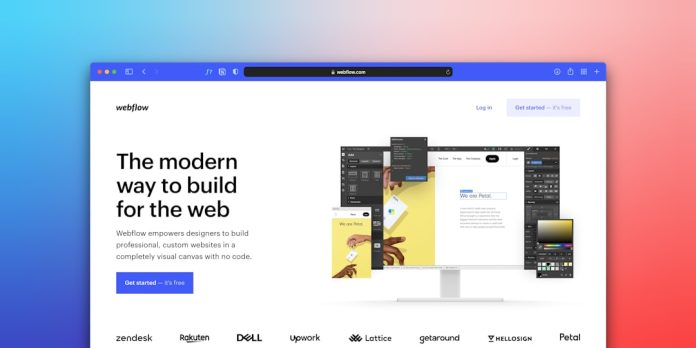
Webflow started as a website builder. But now it does much more. It gives you visual control over HTML and CSS without writing them manually.
It is more design-focused than Bubble. If you care deeply about animations and layout precision, Webflow shines.
Why people love Webflow:
- Professional design control
- Clean, responsive output
- Great CMS features
Things to consider:
- Steeper learning curve
- More website-focused than app-focused
Webflow is perfect for marketing sites. Content-rich platforms. Visually stunning projects.
4. OutSystems
Best for: Enterprise solutions
OutSystems is more advanced. It is technically “low-code” rather than pure no-code. That means it allows developers to extend functionality with code if needed.
This platform is used by large companies. Banks. Healthcare organizations. Government agencies.
Why people love OutSystems:
- Enterprise-grade performance
- Strong security
- Scalable architecture
Things to consider:
- Expensive
- Overkill for simple apps
If you are building a startup MVP, this might not be your first pick. But for corporate needs, it’s powerful.
5. Thunkable
Best for: Cross-platform mobile apps
Thunkable lets you design apps visually. It uses a block-based logic system. Similar to Scratch.
You connect logic blocks like puzzle pieces. It feels interactive and clear.
Why people love Thunkable:
- Great for beginners
- Real-time testing
- Direct publishing to app stores
Things to consider:
- Design flexibility is limited
- Advanced features require time to master
It is ideal for students, startups, and small business owners.
6. Softr
Best for: Apps powered by Airtable
Softr connects directly with Airtable. You use pre-built blocks to design pages. Listings. Forms. Dashboards.
It is clean and structured. You don’t feel overwhelmed.
Why people love Softr:
- Fast setup
- Perfect for business tools
- Membership features built-in
Things to consider:
- Mostly web-based apps
- Relies heavily on Airtable
If your business already uses Airtable, Softr is a natural fit.
Comparison Chart
| Platform | Best For | Ease of Use | Mobile Apps | Scalability | Ideal User |
|---|---|---|---|---|---|
| Bubble | Web apps and SaaS | Medium | Web focused | High | Startups |
| Adalo | Mobile apps | Easy | Yes | Medium | Beginners |
| Glide | Spreadsheet based apps | Very Easy | Yes | Low to Medium | Small teams |
| Webflow | Design heavy websites | Medium | No native | High | Designers |
| OutSystems | Enterprise apps | Advanced | Yes | Very High | Large companies |
| Thunkable | Cross platform apps | Easy | Yes | Medium | Students and startups |
| Softr | Airtable powered tools | Easy | Web focused | Medium | Small businesses |
How to Choose the Right One
The answer depends on your goal.
Ask yourself:
- Is this a mobile app or a web app?
- Do I need advanced logic?
- Will thousands of users join?
- What is my budget?
If you want full flexibility, Bubble is hard to beat.
If you want something fast and simple, Glide or Adalo may be better.
If you care most about design, Webflow wins.
If you are building for a corporation, OutSystems makes sense.
Why No-Code Is Growing So Fast
No-code tools are exploding in popularity. And for good reason.
They:
- Reduce development costs
- Speed up product launches
- Allow non-technical founders to build
- Encourage experimentation
You can test ideas quickly. Fail fast. Improve faster.
Even developers now use no-code tools. They use them for prototypes. Admin panels. Internal dashboards.
The future is flexible. And no-code is part of it.
Final Thoughts
You no longer need to be a programmer to bring ideas to life. Tools like Bubble opened the door. Now many others have followed.
Each platform has strengths. Each has limits. The best one is the one that matches your needs today.
Start small. Experiment. Build something fun.
You might be one click away from launching your first app.
No code. Just creativity.





Recent Comments