





Email authentication sounds technical. And yes, it has scary acronyms. But it’s really just a way to prove your emails are legit. Think of it as showing your ID before entering a club. Without it, your messages may land in spam. Or worse, get blocked completely.
TLDR: Email authentication helps prove your emails are real and not fake. You set up three main records: SPF, DKIM, and DMARC. These are added to your domain’s DNS settings. When done correctly, your emails land in inboxes more often and build trust with providers like Gmail and Outlook.
In this guide, we’ll break everything down step by step. Short sentences. Simple words. No confusing jargon. Let’s go.
Why Email Authentication Matters
All Heading
Every day, hackers send fake emails. They pretend to be banks. Or online stores. Or even you. This is called spoofing.
Email providers fight back using authentication checks. When you set things up properly:
- Your emails avoid spam folders.
- Your domain builds a good reputation.
- Customers trust your messages.
- You reduce phishing risks.
Without authentication? Your emails may disappear into the void.
The Three Core Methods
There are three pillars of email authentication:
- SPF (Sender Policy Framework)
- DKIM (DomainKeys Identified Mail)
- DMARC (Domain-based Message Authentication, Reporting and Conformance)
Yes. The names are long. But the ideas are simple.

Step 1: Set Up SPF
What is SPF?
SPF tells the world which servers are allowed to send email for your domain.
Imagine you run a bakery. SPF is the guest list for delivery drivers. If someone not on the list shows up, they get rejected.
How to Set Up SPF
- Log in to your domain hosting provider.
- Open your DNS settings.
- Find the option to add a TXT record.
- Create a new TXT record.
Your SPF record will look something like this:
v=spf1 include:yourmailprovider.com -all
Important parts:
- v=spf1 = version number.
- include = services allowed to send mail.
- -all = reject all others.
If you use multiple services (like Google Workspace and an email marketing tool), include them all in one SPF record.
Tip: You can only have one SPF record per domain. Combine everything into one line.
Step 2: Set Up DKIM
What is DKIM?
DKIM adds a digital signature to your emails. It proves the message was not altered during delivery.
Think of it like sealing an envelope with wax. If the seal is broken, something changed.
How to Set Up DKIM
- Log in to your email provider.
- Find the DKIM section in settings.
- Generate a DKIM key.
- Copy the TXT or CNAME record provided.
- Add it to your DNS records.
A DKIM record usually looks long and messy. That’s normal.
v=DKIM1; k=rsa; p=MIGfMA0GCSq...
Do not edit the key. Copy it exactly.
After adding it to DNS, wait for verification. Your provider will tell you if it passed.
Image not found in postmetaStep 3: Set Up DMARC
What is DMARC?
DMARC tells receiving servers what to do if SPF or DKIM fails.
It also sends reports. These reports show who is sending mail from your domain.
DMARC is your security guard. SPF and DKIM are the ID checks. If someone fails the check, DMARC decides the punishment.
How to Set Up DMARC
- Go to your DNS settings.
- Add a new TXT record.
- Host/name field:
_dmarc.yourdomain.com - Add your policy line.
Example DMARC record:
v=DMARC1; p=none; rua=mailto:reports@yourdomain.com;
Policy options:
- p=none → Monitor only
- p=quarantine → Send suspicious mail to spam
- p=reject → Block suspicious mail
Start with none. Monitor reports. Then tighten security later.
How the Three Work Together
Here’s the simple flow:
- An email is sent.
- Receiving server checks SPF.
- It checks DKIM signature.
- It applies DMARC policy.
If everything passes → Inbox.
If something fails → Spam or rejection.
It’s teamwork. Not competition.
Step 4: Verify Everything
After setup, test your configuration.
You can:
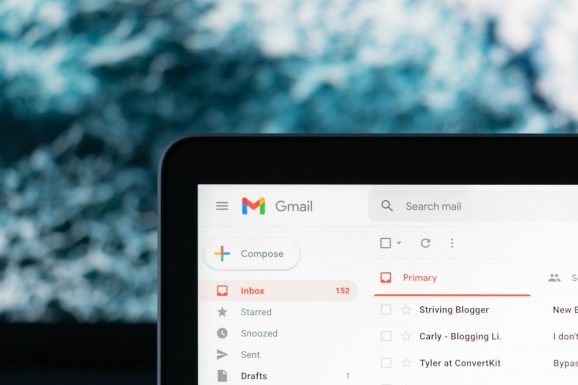
- Send a test email to Gmail.
- Open the message.
- Check “Show Original.”
- Confirm SPF, DKIM, and DMARC say PASS.
If something fails, double-check:
- Typos in DNS.
- Multiple SPF records.
- Missing DKIM keys.
DNS changes can take time. Sometimes up to 48 hours. Be patient.
Popular Email Providers Comparison
If you’re using an email service, setup steps may vary slightly. Here’s a quick comparison:
| Email Provider | SPF Setup | DKIM Setup | DMARC Support | Ease of Setup |
|---|---|---|---|---|
| Google Workspace | Manual TXT record | Generated in Admin Console | Manual DNS setup | Easy |
| Microsoft 365 | Manual TXT record | Enabled in Security Center | Manual DNS setup | Medium |
| Zoho Mail | Provided in dashboard | Generated automatically | Manual DNS setup | Easy |
| Mailchimp | Provides SPF include | Auto generated DKIM | Domain based DMARC required | Easy |
Always follow your provider’s official instructions. But the core concept stays the same.
Common Mistakes to Avoid
- Creating multiple SPF records.
- Forgetting to remove old mail services.
- Using p=reject too early in DMARC.
- Copy-paste errors in long DKIM keys.
- Not monitoring DMARC reports.
Small mistakes can cause big delivery issues.
Understanding DMARC Reports (Simple Version)
DMARC sends reports in XML format. They look scary. But they tell you:
- Who is sending email from your domain.
- Which IP addresses are involved.
- Whether authentication passed or failed.
If you see unknown IP addresses, investigate.
These reports help you move safely from:
none → quarantine → reject
How Long Does Setup Take?
Actual setup time? About 30 minutes.
Full propagation time? Up to 48 hours.
Reputation improvement? A few weeks of consistent sending.
Email authentication is not instant magic. But it builds long term trust.
Advanced Tips (Optional)
Once basics are working:
- Use a dedicated sending domain for marketing emails.
- Warm up new domains slowly.
- Monitor bounce rates.
- Keep your email list clean.
Authentication helps. But good sending habits matter too.
Quick Checklist
Before you celebrate, confirm:
- ✅ SPF record exists and includes all senders
- ✅ DKIM key is installed and verified
- ✅ DMARC record is published
- ✅ Test email shows PASS for all checks
- ✅ DMARC reports are being received
If you checked all five, you’re in great shape.
Final Thoughts
Email authentication is not just for big companies. It’s for everyone.
If you send newsletters, invoices, or client updates, you need it.
The setup may look technical at first. But it follows a clear pattern:
Authorize senders. Sign messages. Set rules.
That’s it.
Once configured, your emails gain credibility. Inbox placement improves. And your domain becomes safer.
So take an hour today. Set it up properly. Your future inbox will thank you.





Recent Comments