




Snowflake is a big name in cloud data analytics. Many companies love it. It is powerful. It is scalable. It is easy to use. But it is not perfect for everyone. Some teams want lower costs. Others want more control. Some just want something different. The good news? There are many strong alternatives.
TLDR: Snowflake is great, but it is not the only option. Tools like BigQuery, Redshift, Databricks, Azure Synapse, and ClickHouse offer strong alternatives. Each has its own strengths in pricing, performance, or ecosystem fit. The best choice depends on your workload, team skills, and budget.
Let’s explore the most popular replacements for Snowflake. We will keep it simple. We will keep it fun. And we will help you decide what might work best for you.
Why Look Beyond Snowflake?
All Heading
Snowflake works well. But there are common reasons companies switch:
- Cost control: Compute can become expensive at scale.
- Cloud loyalty: Some companies prefer to stay fully inside AWS, Azure, or Google Cloud.
- Advanced analytics: Some tools focus more on AI and machine learning.
- Performance tuning: Certain workloads run faster elsewhere.
Now let’s look at the top alternatives.
1. Google BigQuery
BigQuery is Google Cloud’s fully managed data warehouse. It is serverless. That means you do not manage infrastructure. You just run queries.
Image not found in postmetaWhy people like it:
- Very fast for large datasets
- Serverless and easy to scale
- Strong integration with Google tools
- Built-in machine learning features
Best for: Companies already using Google Cloud. Teams that want simple pricing and minimal maintenance.
Fun fact: BigQuery can scan terabytes in seconds. It feels almost magical.
Watch out for: Query costs can add up if not optimized.
2. Amazon Redshift
Redshift is Amazon’s data warehouse service. It integrates deeply with AWS. If your data lives in S3, Redshift feels natural.
Why people choose it:
- Strong AWS ecosystem integration
- Mature product with many enterprise features
- Reserved pricing can lower costs
Best for: AWS-heavy companies.
Pro tip: Redshift Serverless makes setup easier than older cluster-based models.
Downside: Can require more tuning compared to Snowflake or BigQuery.
3. Databricks
Databricks is different. It focuses on data engineering, analytics, and AI all in one platform. It is built around Apache Spark.

Why it stands out:
- Strong for machine learning
- Unified analytics platform
- Lakehouse architecture
The term lakehouse blends data lakes and data warehouses. You get flexibility and structure together.
Best for: Advanced analytics teams. AI-driven businesses.
Extra bonus: Delta Lake improves reliability and performance.
Consider this: It can be more complex for teams that just want simple SQL analytics.
4. Azure Synapse Analytics
Azure Synapse is Microsoft’s analytics service. It combines big data and data warehousing.
Why companies choose it:
- Deep integration with Microsoft tools
- Works well with Power BI
- Supports both serverless and dedicated models
Best for: Microsoft-centric organizations.
If your company lives in Excel, Teams, and Power BI, Synapse fits smoothly.
Limitation: Interface and setup may feel complex at first.
5. ClickHouse
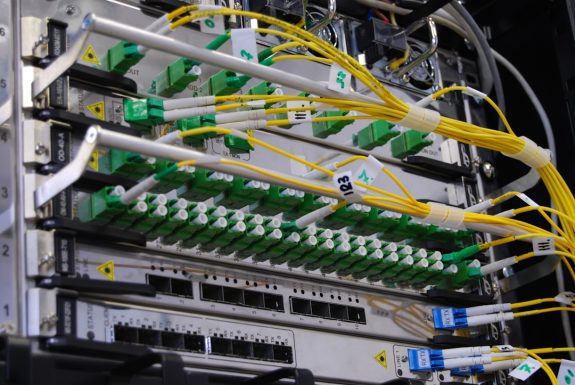
ClickHouse is an open-source analytics database. It is designed for lightning-fast queries on large datasets.
What makes it special:
- Extremely fast for analytical queries
- Open-source flexibility
- Great for real-time analytics
Best for: Real-time reporting and event analytics.
Tech companies love it for log analytics and monitoring dashboards.
Tradeoff: Requires more hands-on management unless using a managed version.
6. Presto (Trino)
Presto, now commonly called Trino, is a distributed SQL query engine. It is open-source. It can query data where it lives.
Why teams use it:
- Works across multiple data sources
- Open and flexible
- Strong community support
Best for: Federated queries across many systems.
It does not replace Snowflake in every case. But for distributed analytics, it is powerful.
Quick Comparison Chart
| Tool | Cloud Focus | Best For | Ease of Use | AI/ML Support |
|---|---|---|---|---|
| BigQuery | Google Cloud | Large-scale analytics | Very High | Built-in ML |
| Redshift | AWS | AWS ecosystems | Medium | Basic |
| Databricks | Multi-cloud | AI and Data Engineering | Medium | Advanced |
| Azure Synapse | Azure | Microsoft environments | Medium | Integrated |
| ClickHouse | Self-managed or cloud | Real-time analytics | Low to Medium | Limited |
| Trino | Multi-cloud | Federated queries | Low to Medium | External tools |
How to Choose the Right Snowflake Alternative
The answer depends on your situation. Ask yourself these simple questions:
- Which cloud provider do we use most?
- Do we need heavy machine learning support?
- How sensitive are we to cost?
- Do we want fully managed or hands-on control?
If you want simplicity: BigQuery is often easiest.
If you love AWS: Redshift is natural.
If AI is your focus: Databricks shines.
If you are deep in Microsoft: Synapse fits well.
If you want speed and flexibility: ClickHouse is exciting.
Trends in Cloud Data Analytics
The market is changing fast. Here are key trends:
- Lakehouse architectures: Blending data lakes with warehouses.
- Serverless models: Less infrastructure management.
- AI integration: Built-in machine learning tools.
- Cross-cloud flexibility: Avoiding vendor lock-in.
Snowflake helped popularize some of these ideas. But competitors are catching up quickly.
Final Thoughts
Snowflake is powerful. It changed the data warehouse market. But it is not your only option.
BigQuery offers speed and simplicity. Redshift fits AWS users. Databricks leads in AI-driven analytics. Synapse blends well with Microsoft tools. ClickHouse brings blazing speed. Trino adds flexibility across systems.
No single platform is perfect. The right choice depends on your data, your team, and your goals.
Take time to test. Run pilot projects. Compare performance and cost. Most platforms offer trials or flexible pricing.
In cloud analytics, competition is good. It drives innovation. It lowers prices. And it gives you options.
That is something every data team can celebrate.






Recent Comments