








The fusion of Big Data analytics with the Internet of Things (IoT) has unlocked unprecedented opportunities across industries. As billions of IoT devices generate vast volumes of data every second, companies are leveraging advanced analytics to extract actionable insights, streamline operations, and even predict outcomes in real-time.
TLDR Summary
All Heading
Big Data analytics in IoT enables organizations to analyze massive volumes of data from connected devices to improve operational efficiency, reduce costs, and enhance decision-making. Real-world applications span manufacturing, healthcare, agriculture, and smart cities. The typical architecture involves multiple layers from data ingestion to visualization, facilitated by cloud computing, edge devices, and AI algorithms. By implementing the right tools and infrastructure, organizations can harness the full power of IoT data.
Understanding the Intersection of IoT and Big Data
The Internet of Things (IoT) refers to a vast network of physical devices connected to the internet, collecting and transmitting data. Big Data analytics, on the other hand, refers to the process of examining large, complex data sets to discover hidden patterns, correlations, market trends, and customer preferences.
When IoT and Big Data converge, they create a powerful data ecosystem. IoT devices continuously generate time-series data, sensor readings, GPS coordinates, and more. Big Data tools can aggregate, process, and analyze this information, transforming raw streams into meaningful insights that can drive real-world action.
Key Components of IoT Big Data Architecture
An effective IoT Big Data architecture is crucial for processing and analyzing information from dispersed devices. Typical architecture comprises the following layers:
- 1. Device Layer: Includes sensors, actuators, RFID tags, and other IoT devices responsible for collecting raw data.
- 2. Network Layer: Enables transmission of data via cellular, Wi-Fi, LPWAN, or satellite communication protocols.
- 3. Data Ingestion Layer: Implements tools like Apache Kafka or MQTT brokers to stream collected data into processing hubs.
- 4. Data Storage Layer: Utilizes distributed systems such as Apache Hadoop, Amazon S3, or Google BigQuery to handle bulk and unstructured data.
- 5. Data Processing and Analytics Layer: Analytical engines (e.g., Apache Spark, Flink) process data at scale for real-time or batch analysis.
- 6. Visualization and Application Layer: Presents analyzed outputs through dashboards, alerts, and automated actions using platforms like Power BI or Grafana.
Real-World Use Cases of Big Data Analytics in IoT
1. Predictive Maintenance in Manufacturing
In the manufacturing sector, machinery downtime can result in enormous financial losses. IoT sensors embedded in industrial equipment collect vibration data, temperature, and operating speed. These metrics are fed into predictive analytics models to forecast possible failures.
By identifying anomalies in real-time, manufacturers can perform maintenance before a breakdown occurs—minimizing unplanned downtime and reducing maintenance costs.
2. Smart Cities and Traffic Optimization
Smart cities incorporate IoT devices like traffic cameras, smart meters, and weather sensors to improve urban living. With Big Data analytics, cities monitor traffic flow, adjust traffic lights dynamically, and predict congestion patterns during peak hours.
Some cities have used real-time analytics to reroute traffic during events or emergencies, dramatically reducing commute times and carbon emissions.
3. Precision Agriculture
Irrigation systems, soil sensors, and drones allow farmers to monitor crop health, moisture levels, and weather changes. Advanced analytics evaluates this data to offer insights into optimal planting times, water usage, and fertilizer application.
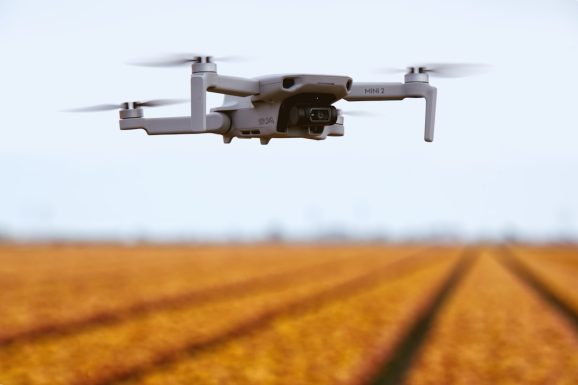
The result is enhanced crop yield, lower resource usage, and sustainable farming practices.
4. Healthcare Monitoring and Patient Management
Wearable health devices and remote monitoring systems collect vital statistics such as heart rate, glucose levels, and physical activity. These devices send data to healthcare providers for continuous tracking and early detection of abnormalities.
Big Data analytics enables healthcare professionals to predict acute medical events, like arrhythmias or strokes, offering immediate intervention options and improving patient outcomes.
5. Energy Management in Smart Grids
IoT-enabled smart meters and grid components transmit energy consumption data. Utilities use this information to detect outages, forecast demand, and dynamically allocate energy resources where most needed.
Furthermore, analytics allows consumers to monitor their usage patterns, optimize appliance operation times, and reduce overall energy costs.
Challenges in IoT Big Data Analytics
Despite its transformative potential, implementing Big Data analytics in IoT comes with several challenges:
- Data Volume and Velocity: Billions of data points per day can overwhelm traditional processing systems.
- Data Quality: Inconsistent or corrupted IoT data can skew analytics and reduce reliability.
- Security Concerns: Connected devices and centralized data storage raise risks around data breaches and unauthorized access.
- Interoperability: Devices from different manufacturers often follow incompatible standards, complicating data integration.
- Cost: Building a scalable analytics infrastructure requires significant investment in both hardware and software solutions.
Emerging Trends and Technologies
- Edge and Fog Computing: Processing data closer to the source reduces latency and network bandwidth usage, making real-time analytics more viable.
- AI and Machine Learning: Models are increasingly used to identify patterns, automate triggers, and provide more accurate forecasting from sensor data.
- Blockchain for IoT: Ensures secure, verifiable transactions and device communications without a centralized authority.
Steps to Implement Big Data Analytics in IoT
- Define Objectives: Understand the specific problems to be solved through analytics (e.g., cost reduction, downtime prevention).
- Select and Configure Devices: Pick suitable IoT devices capable of capturing the required data types.
- Set Up Data Pipeline: Incorporate tools for ingestion, storage, and real-time/batch processing of data.
- Choose Analytics Tools: Use platforms that match your scale and performance needs—cloud-based options are usually more flexible.
- Ensure Data Governance: Integrate privacy, security, and compliance practices from day one.
Conclusion
Big Data analytics for IoT isn’t just a technological trend—it’s a necessity for businesses and governments aiming to remain competitive and efficient. By integrating robust analytics into IoT ecosystems, stakeholders can transform data overload into meaningful insight, fostering automation, innovation, and enhanced decision-making. From predicting industrial failures to enhancing urban infrastructure, the potential applications are practically limitless.
Frequently Asked Questions (FAQs)
- Q1: What is the role of Big Data in IoT?
A: Big Data tools enable storage, processing, and analysis of massive datasets generated by IoT devices, helping organizations derive actionable intelligence. - Q2: How is real-time analytics different from batch processing in IoT?
A: Real-time analytics processes data instantly as it’s generated, suitable for time-sensitive applications like traffic control. Batch processing analyzes data in intervals, typically used for long-term trend analysis. - Q3: What industries benefit most from IoT and Big Data integration?
A: Key industries include manufacturing, healthcare, agriculture, transportation, and energy—all of which depend on continuous monitoring and efficient data utilization. - Q4: What platforms are commonly used in IoT Big Data architecture?
A: Platforms like Apache Kafka for data ingestion, Hadoop or AWS for storage, and Spark or TensorFlow for analytics are widely adopted. - Q5: Is data security a concern in IoT analytics?
A: Yes, because IoT generates vast amounts of sensitive data. Encryption, authentication, and secure API management are essential for protecting this ecosystem.






Recent Comments