








Outdoor lighting does far more than simply illuminate your property after sunset — it enhances security, improves functionality, increases curb appeal, and creates the ideal mood for gatherings or solitary enjoyment. Whether you’re redesigning your landscape or refining key areas of your exterior, choosing the right lighting fixtures tailored to each part of your space is essential.
TLDR:
All Heading
Proper outdoor lighting requires different types of fixtures for different sections of your exterior space. Path lights, wall sconces, spotlights, and deck lighting all serve targeted functions. Consider safety, aesthetics, and efficiency when choosing where and what to install. Strategically selected fixtures can dramatically elevate your outdoor experience while also improving security.
Entryways and Front Porches
Your front entrance is the first impression your home leaves — and it also needs lighting for practical safety reasons. Adequate lighting ensures that you and your guests can safely navigate stairs and find keys after dark, while also acting as a deterrent for unwanted visitors.
- Wall sconces: Place matching fixtures on either side of the front door to provide balanced illumination.
- Pendant lights or hanging lanterns: Perfect for covered porches with high ceilings. Choose weather-resistant materials to withstand the elements.
- Recessed ceiling lights: Clean and modern, these are ideal for porches with overhangs or soffits.
Consider motion sensor lights for added security, and opt for warm-toned bulbs to create a welcoming glow rather than harsh brightness.
Pathways and Walkways
Illuminating your walkways isn’t just about aesthetics — it ensures safe passage for anyone walking on your property. Whether it’s your driveway, garden path, or a stone walkway leading to the backyard, even, low-light distribution is key.
- Path lights: These are small fixtures mounted on short posts that line driveways or walkways. Use staggering placements to avoid runway effects and to enhance visibility.
- In-ground lights: Installed flush with the ground, these work well for minimalist designs and are ideal along driveways or stone paths.
- Bollard lights: Taller and often more decorative, these provide substantial illumination and can double as landscape features.

Garage and Driveway Areas
The garage area is another essential place for outdoor lighting, particularly if it connects directly to your home entrance. These zones typically require brighter lights that ensure visibility for cars and people alike.
- Flood lights: Installed above garage doors or at corners, they provide wide-area illumination and enhanced security.
- Wall-mounted lanterns: These help frame garage doors while offering a more decorative alternative to flood lights.
- Motion sensor lights: Useful for energy efficiency and deterring unauthorized activity.
Make sure these lights are installed high enough to minimize glare but still cast sufficient light across the driveway. Smart lighting options with timers and app controls are increasingly popular here.
Backyards and Patios
Your backyard can serve many purposes: a quiet relaxation area, a vibrant entertaining space, or a children’s play zone. The lighting should reflect those functions by providing a mixture of ambient, task, and accent lighting.
- String lights: Suspended overhead, they bring a festive, cozy feeling to patios, especially during gatherings.
- Post lights or garden torches: Perfect for creating a structured layout for larger yards or defining outdoor seating areas.
- Lanterns and portable fixtures: Battery or solar-powered options add flexibility and charm.
- Recessed or step lights: Integrated into steps or seating for safety and subtle ambiance.
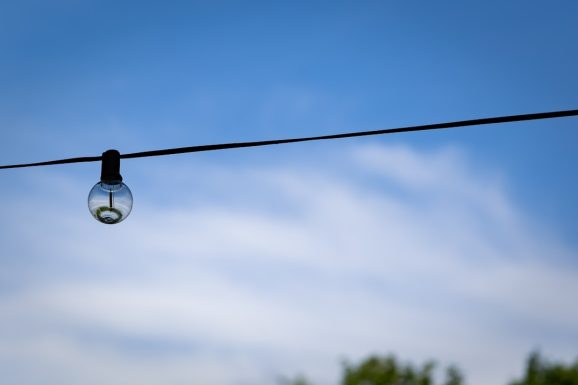
Backyard lighting should be layered to promote visual interest while ensuring you can participate in tasks like grilling or reading in the evening. Dimmers can offer critical control for mood adjustment.
Decks and Outdoor Living Areas
Deck lighting enhances usability and safety for elevated surfaces. It also adds depth and structure for nighttime views, helping delineate spaces like outdoor dining areas or hot tubs.
- Under-rail lights: Installed along deck railings or balusters, they cast a gentle glow and improve edge awareness.
- Stair tread lights: Crucial for safety especially when stairs are in shadow or at variable elevations.
- Post cap lights: Decorative and functional caps that sit atop your railing posts, adding vertical interest.
Choose low-voltage LED options to reduce power usage and heat output, especially crucial if the space is used frequently at night during warmer months.
Landscape and Garden Features
Highlighting specific elements in your garden not only beautifies your home but can also add layers of safety and orientation in the dark. The trick is subtlety — these lights should accent rather than dominate.
- Spotlights: Focused beams that illuminate trees, water features, or sculptures. Angle upward from below the element for drama.
- Well lights: Buried fixtures perfect for uplighting small plants or features without visible housings.
- Silhouetting: Positioning a light behind a plant or object to create outlines and contrast.
Landscape lighting contributes significantly to your curb appeal and can be integrated into a broader automated lighting plan.
Pool Areas and Water Features
Water areas require specific types of water-resistant and safe lighting equipment. Apart from safety, lights help define the pool area after dark and create stunning reflections and patterns.
- Underwater pool lights: These are often built into pool walls and available in multicolor configurations for dramatic nighttime displays.
- LED rope lighting: Wrap around railings or ledges for gentle border illumination.
- Accent spotlights: Use to highlight waterfalls, fountains, or pond rocks.
Look for IP-rated fixtures designed for wet locations. Maintenance and proper installation are essential to avoid risk and ensure long life.
Security and Utility Lighting
Not every light outdoors has to be decorative. Security lights enhance safety and visibility, especially in blind spots and passageways around your home.
- Motion-sensor flood lights: Use around corners, basement entrances, or lesser-traveled paths.
- Photocell-operated lights: Automatically turn on at dusk and off at dawn for dependable overnight coverage.
- Smart security lighting systems: Sync your lights with cameras or alarm systems and control everything via a mobile app.
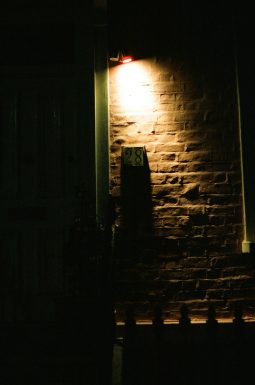
These should be strategically placed where they deter intruders without creating excess light pollution. Always aim fixtures downward or use shields to reduce glare and avoid disturbing surrounding homes.
Conclusion
From aesthetic enhancement to functional safety, your outdoor lighting plays a vital role in how you use and enjoy your exterior space. By understanding the purpose of each area, investing in quality, weather-resistant fixtures, and layering your lighting approach, you can create an exterior environment that feels just as welcoming and effective as indoors.
Whether a cozy front porch, a busy patio, or a serene garden, the right lighting transforms your space both practically and aesthetically. Plan carefully, prioritize quality, and invest in systems that provide you with both automation and energy efficiency. Your home’s beauty and security deserve nothing less.






Recent Comments