



In the high-paced, ever-evolving world of startups, establishing genuine connections is critical. For startup mentors—those seasoned professionals who guide entrepreneurs through the treacherous early stages of business—maintaining an impressive, professional identity through tools like business cards is no longer optional. Business card makers have emerged as essential instruments in the mentor’s networking toolkit, helping to cultivate lasting impressions with growing entrepreneurs.
TLDR: Business cards are still vital in startup networking. For mentors guiding new entrepreneurs, using dedicated business card makers offers professionalism, branding benefits, and convenience. These tools allow for creativity and contactless options. Selecting the right business card maker can enhance credibility and make meaningful connections easier.
All Heading
Why Business Cards Still Matter in the Digital Age
While social media handles and digital networking platforms seem omnipresent, nothing quite matches the tactile experience and personal touch of a business card exchange. For startup mentors, this small gesture can open doors to continued engagement, whether it’s a workshop, pitch event, or investor meeting.
A well-designed business card communicates more than contact information—it projects credibility, commitment, and professionalism. Unlike virtual messages that can get lost in email inboxes, a physical card leaves a lasting presence in an entrepreneur’s wallet or workspace, reminding them of a mentor’s influence.
The Role of Business Card Makers for Startup Mentors
Business card makers, both online platforms and desktop applications, allow startup mentors to design, order, and manage their professional identity seamlessly. Such tools are more than just layout generators; they offer key features that empower mentors to:
- Customize branding: Ordinarily, mentors may be associated with multiple startups or advisory roles. Business card makers let them adjust card designs to reflect their individual consultancy style and personality.
- Communicate niche expertise: Areas of mentorship like FinTech, EdTech, SaaS, or AI development can be highlighted through creative visuals or taglines.
- Integrate QR codes: Modern business card makers allow for dynamic features such as QR codes that lead to mentor portfolios, LinkedIn profiles, Calendly booking pages, or personal websites.

Top Business Card Maker Tools for Startup Mentors
1. Canva
Well-suited for the mentor who values visual design, Canva provides pre-made templates optimized for professional looks. Its intuitive drag-and-drop functionality and enormous font and icon library appeal to those who seek to stand out.
2. Vistaprint
Vistaprint offers both design and printing services, which is great for busy mentors. The platform helps with bulk orders, premium touches like raised ink, and quick delivery—perfect for conference seasons and demo days.
3. Moo
Loved for its modern designs and high-end materials, Moo suits mentors who want their cards to feel luxurious and express exclusivity. It allows different designs on the front of each card in a single pack—useful for tailoring cards to specific startup audiences.
4. Zazzle
For those wanting a more vibrant or artistic presentation, Zazzle offers artistry and creativity. Customizable templates cater to startup mentors with a knack for individuality.
5. Adobe Express
Ideal for mentors already versed in the Adobe ecosystem, Adobe Express offers precision in branding and design without the learning curve of heavier design software like Illustrator.
Digital and Contactless Innovations
Business cards have also evolved into contactless networking aids. Modern-day card makers offer NFC (Near Field Communication) or digital business cards. These allow people to tap or scan using their phones to instantly save contact details—essential for health-conscious, mobile-driven professionals.
NFC business cards, like those provided by Popl or TapTag, are made of materials such as PVC or bamboo and can be updated remotely. They’re appealing to mentors attending international forums or startup expos where rapid exchanges matter.
Design Best Practices for Startup Mentors
Creating a compelling business card goes beyond throwing a logo and phone number on colored paper. Startup mentors should consider the following design principles:
- Keep it clutter-free: White space enhances readability, professionalism, and visual balance.
- Choose a strong font family: Avoid over-stylized typefaces. Fonts like Montserrat or Helvetica offer clarity and elegance.
- Use mentorship-related imagery or color schemes: Colors like navy, green, or charcoal reflect guidance, stability, and intellect.
- Include dynamic content: If possible, embed a specialized QR code linking to a mentor’s booking calendar or advice blog.
This strategy not only makes cards more memorable but also links physical networking to digital follow-ups—maximizing engagement opportunities.
When and Where Startup Mentors Use Business Cards
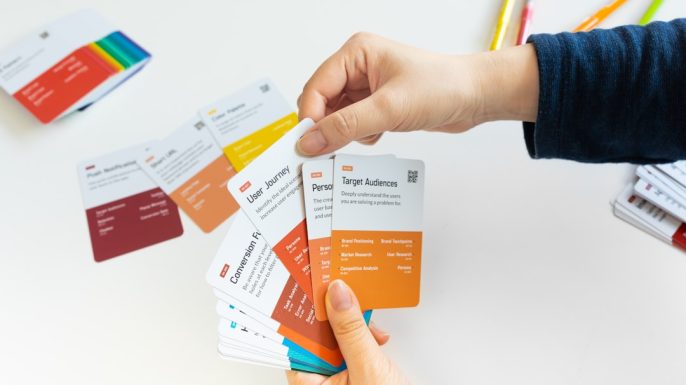
Business cards can play a role at multiple stages and locations throughout the startup ecosystem:
- Startup accelerator demos: Distribute cards while evaluating new projects or giving keynote speeches.
- Investor networking dinners: Build mutual connections with fellow stakeholders and startup co-founders.
- Hackathons and bootcamps: Reach young, passionate entrepreneurs looking to scale ideas into legitimate ventures.
- Online webinars or mentorship matching events: Although virtual, cards with QR codes can be mailed or scanned for future meet-ups.
Maintaining Consistency Across Personal and Digital Branding
A professional business card should align with a mentor’s overall brand—LinkedIn profile, portfolio site, email signature, etc. Business card makers now integrate brand kits, ensuring fonts, colors, and logos remain consistent across all versions.
This helps startup mentors build an identifiable image that reinforces trust and authority. Some tools even allow for collaboration with other advisors or graphic designers, making design iterations smooth and on-brand.
Frequently Asked Questions (FAQ)
- Q: Are paper business cards still relevant in startup networking?
- A: Yes. While digital tools are booming, physical cards establish immediate trust and provide a tangible way to recall someone after an event.
- Q: What information should a startup mentor include on their business card?
- A: Name, title (Startup Mentor or Advisor), phone number, email, LinkedIn, and possibly a QR code to a booking calendar or portfolio site.
- Q: How do QR codes benefit business cards for mentors?
- A: They connect offline interactions to online assets instantly—like scheduling tools, speaking engagements, or founder resources.
- Q: Is it worth investing in premium card stock or NFC cards?
- A: For those often attending high-stake events or international summits, yes. It shows professionalism and elevates a mentor’s brand significantly.
- Q: Can business card makers help with recurring design updates?
- A: Most modern card platforms allow you to save templates or even sync with branding kits, making future updates fast and seamless.
Conclusion
For startup mentors, the business card remains a vital bridge between the analog and digital worlds. Effective use of business card maker tools bolsters impact, boosts networking success, and ensures that each encounter with a budding entrepreneur holds lasting value. Being memorable is half the battle—and the fight starts with a card that speaks volumes.




Recent Comments