


Blockchain is often linked with Bitcoin and other cryptocurrencies. But that is only one small part of the story. At its core, blockchain is a smart way to record and share data. It is secure, transparent, and hard to tamper with. And it can be used in many real-world situations beyond digital money.
TLDR: Blockchain is more than crypto. It can improve supply chains, healthcare, voting systems, real estate, digital identity, copyright protection, and charity transparency. It builds trust by storing data in a secure and shared way. This makes processes faster, safer, and easier to track.
1. Supply Chain Tracking
All Heading
Have you ever wondered where your coffee beans came from? Or if your new shoes were made ethically?
Supply chains are complex. Products move through many hands. Farmers. Factories. Shipping companies. Retailers. It can be hard to track every step.
This is where blockchain shines.
Each step of a product’s journey can be recorded on a blockchain. Every update is time-stamped. It cannot be secretly changed. Everyone involved can see the same data.
- Farmers log when crops are harvested.
- Factories record when goods are processed.
- Shippers update delivery details.
- Stores confirm arrival.
Consumers can scan a QR code and see the full story. This builds trust.
It also improves safety. If contaminated food is found, companies can quickly trace the source. They can remove only the affected batches. This saves money and lives.
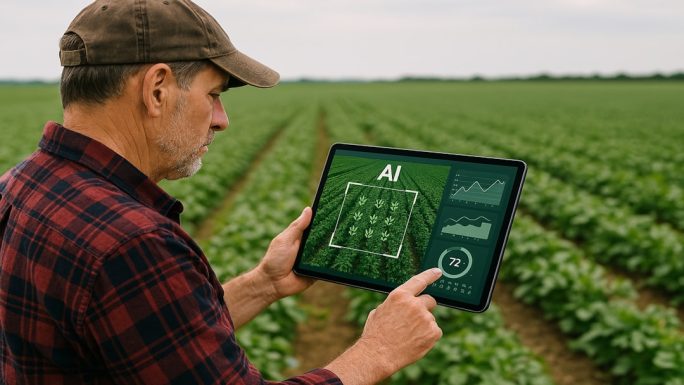
Big companies already use this. Retail giants track vegetables. Luxury brands fight counterfeit products. Even diamond sellers verify stones are conflict-free.
Blockchain makes supply chains less mysterious. And more honest.
2. Healthcare Records
Your medical history is important. But today, it is scattered.
One file at your family doctor. Another at the hospital. Another at a specialist’s office. Sharing data is slow. Sometimes it still involves fax machines.
Blockchain can fix this.
Imagine a secure digital record. One that you control. Doctors can access it with your permission. Every update is recorded. Nothing can be erased in secret.
This leads to:
- Faster diagnosis.
- Fewer medical errors.
- Less repeated testing.
- Better data security.
It also protects privacy. Data can be encrypted. Only approved parties can view it.
In emergencies, quick access can save lives. Doctors can see allergies. Past surgeries. Current medications. All in minutes.
Blockchain does not replace doctors. But it gives them better tools.
3. Voting Systems
Voting is powerful. But many people worry about fraud. Or tampering. Or lost ballots.
Blockchain offers a new approach.
Each vote can be recorded as a transaction. It is anonymous. But it is also verifiable. Once recorded, it cannot be changed.
This creates a transparent system.
Benefits include:
- Security: Hard to hack or alter results.
- Transparency: Results can be publicly verified.
- Accessibility: People could vote remotely.
Imagine voting from your phone. Securely. Without long lines.
Of course, challenges remain. Digital identity must be verified. Systems must be tested carefully.
But pilot programs are already happening in some regions. Blockchain could make voting simpler and more trustworthy.
4. Real Estate Transactions
Buying a house can feel overwhelming.
There are agents. Banks. Lawyers. Government offices. Paperwork everywhere.
Blockchain can simplify this process.
Property ownership records can be stored on a blockchain. These records are clear and tamper-resistant. Buyers can instantly verify who owns what.
Smart contracts add more power.
A smart contract is a self-executing agreement. The rules are written in code. When conditions are met, actions happen automatically.
For example:
- Buyer sends payment.
- System verifies funds.
- Ownership transfers automatically.
No waiting weeks for paperwork.
This reduces fraud. It lowers costs. It speeds up deals.

Some countries are already testing blockchain land registries. In places where records were lost or manipulated, this can be revolutionary.
Less stress. More transparency. Faster transactions.
5. Digital Identity Verification
Your identity is valuable. Yet it is also fragile.
Today, your personal data lives in many databases. Social media platforms. Banks. Government agencies. If one gets hacked, your data can leak.
Blockchain offers a different model.
Instead of companies owning your identity, you do.
You could have a digital ID stored on a blockchain. It contains verified credentials. Passport details. Driver’s license. Academic degrees.
When a service needs proof, you share only what is necessary.
- Need to prove you are over 18? Share age confirmation only.
- Applying for a job? Share verified diploma.
- Opening a bank account? Share approved ID token.
No need to send full documents every time.
This reduces identity theft. It also helps billions of people without formal IDs. In developing regions, blockchain-based identity can open access to banking and education.
It gives people control. And dignity.
6. Copyright and Digital Content Protection
Artists and creators face a big problem. Their work is easy to copy online.
Music. Photos. Videos. Articles. Once uploaded, they can spread everywhere.
Blockchain can help protect ownership.
When a creator publishes content, they can register it on a blockchain. The system records:
- Creator’s identity.
- Date of creation.
- Ownership details.
This creates a permanent proof of authorship.
Smart contracts can also automate royalties. For example, each time a song is streamed, payment is sent directly to the artist. No middlemen taking large cuts.
This is especially exciting for independent creators. They can connect directly with fans. They can track usage transparently.
It brings fairness to the creative world.
7. Transparent Charity and Aid Distribution
When you donate to charity, you hope your money helps. But sometimes, funds are mismanaged. Or lost in administration costs.
Blockchain can increase trust in charities.
Donations can be tracked from start to finish. Every transaction is visible on the ledger. Donors can see how funds are used.
For example:
- Donation received.
- Funds converted to local currency.
- Supplies purchased.
- Aid delivered.
This transparency builds confidence.
It also helps in crisis zones. Blockchain-based systems can deliver digital vouchers directly to recipients. This reduces corruption. It ensures help reaches the right people.
Trust is essential in charity. Blockchain strengthens that trust.
Why Blockchain Matters
Notice a pattern?
In each example, blockchain does three key things:
- It builds trust.
- It increases transparency.
- It reduces the need for middlemen.
It is not magic. It is a tool.
Not every problem needs a blockchain. Sometimes a normal database works fine. But in systems where many parties need shared access and trust is low, blockchain can be powerful.
It changes how we store and share information.
The Future Is Bigger Than Crypto
Cryptocurrency introduced the world to blockchain. But that was just the beginning.
From tracking food to protecting art, the technology has wide potential. Governments are exploring it. Startups are building on it. Large corporations are investing in it.
Adoption will take time. Regulations must evolve. Systems must scale. But progress is steady.
The most exciting part? Many users may not even realize they are using blockchain. It will quietly power apps and services in the background.
Just like the internet does today.
Blockchain is not only about digital coins. It is about digital trust.
And that trust can transform industries far beyond finance.




Recent Comments