







No-code development has transformed the way entrepreneurs, startups, and even enterprises build digital products. Instead of hiring a full development team, anyone with an idea can now create web and mobile applications using intuitive visual tools. Glide Apps has become one of the most recognized platforms in this space, especially for turning spreadsheets into functional apps. However, it’s not the only player in the market—and depending on your needs, there may be better-suited alternatives.
TLDR: Glide Apps is a powerful no-code tool, but it’s not the only option for building mobile and web applications. Platforms like Bubble, Adalo, Thunkable, Softr, and AppGyver offer different strengths in customization, scalability, and integrations. Whether you need advanced logic, sleek design control, or enterprise-grade features, there’s an alternative that might fit your project better. Below, we compare five of the best Glide Apps alternatives and explain when to use each.
Why Look for Glide Apps Alternatives?
All Heading
Glide is excellent for quickly turning Google Sheets or Excel data into clean, functional mobile apps. However, it can feel limiting if you need:
- Advanced logic and workflows
- Full design customization
- Complex relational databases
- Custom code extensibility
- Stronger scalability for large applications
If your project extends beyond a data-driven internal tool, exploring alternatives can open up greater possibilities. Below are five top Glide Apps competitors worth considering.
1. Bubble
Bubble is widely seen as one of the most powerful no-code platforms available today. Unlike Glide, which is primarily spreadsheet-based, Bubble provides a fully customizable visual programming environment.

Key Features
- Drag-and-drop web application builder
- Advanced workflow automation
- Built-in database management
- API integrations
- Custom plugin marketplace
Why Choose Bubble Over Glide?
Bubble gives you significantly more flexibility when building complex applications such as SaaS platforms, marketplaces, or social networks. If Glide feels restrictive, Bubble opens up deeper customization options without requiring traditional coding.
Best For: Startups building scalable web applications with custom features.
Potential Drawback: Steeper learning curve compared to Glide.
2. Adalo
Adalo is a strong alternative if your primary goal is building sleek mobile apps for iOS and Android. It focuses heavily on mobile-first design and allows you to publish directly to app stores.

Key Features
- Native mobile app publishing
- Drag-and-drop interface
- Built-in database support
- Custom actions and integrations
- Reusable components
Why Choose Adalo Over Glide?
While Glide works well for internal tools and progressive web apps, Adalo shines in producing truly native mobile apps. It gives you more granular design control and better mobile experiences.
Best For: Entrepreneurs who want to publish directly to the Apple App Store or Google Play.
Potential Drawback: Performance can slow with highly complex apps.
3. Thunkable
Thunkable bridges the gap between beginner-friendly design and advanced mobile app functionality. It uses a block-based logic builder similar to visual coding environments used in education.
Key Features
- Cross-platform native apps
- Drag-and-drop UI builder
- Block-based logic system
- Live app preview
- API and backend integrations
Why Choose Thunkable Over Glide?
If you want visual logic blocks that give you more control over how your app behaves—but still don’t want to write code—Thunkable is a compelling option. It’s especially strong for interactive mobile applications.
Best For: Educators, startups, and creators building interactive cross-platform mobile apps.
Potential Drawback: The interface may feel less polished than some competitors.
4. Softr
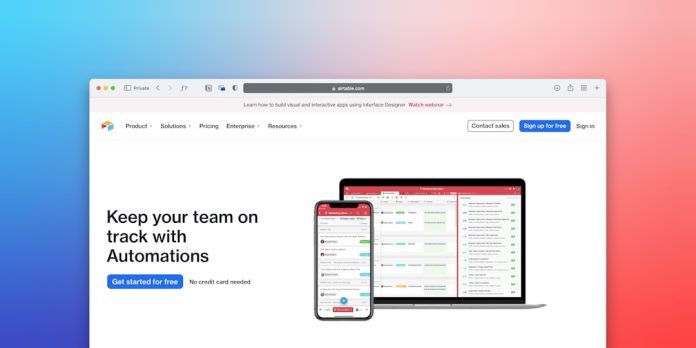
Softr focuses on turning Airtable databases into powerful web applications. If you like Glide’s data-first approach but want more web-oriented flexibility, Softr might be ideal.
Key Features
- Airtable integration
- Pre-built templates
- Membership and user authentication
- Responsive web app builder
- Custom domain support
Why Choose Softr Over Glide?
Softr is particularly effective for building client portals, membership platforms, and internal dashboards. It offers stronger web app structuring while maintaining a simple setup process.
Best For: Businesses creating portals, directories, and membership sites.
Potential Drawback: Less suitable for complex mobile-native applications.
5. AppGyver (SAP Build Apps)
AppGyver, now known under SAP Build Apps, provides enterprise-grade no-code capabilities. It offers advanced integration options and scalable infrastructure for serious business applications.
Key Features
- Professional UI design control
- Extensive data integration
- Logic flows and variables
- Cloud and API connectivity
- Enterprise deployment options
Why Choose AppGyver Over Glide?
For companies looking to build enterprise applications or integrate deeply with backend systems, AppGyver presents much more robust options. It offers flexibility that rivals some traditional development frameworks.
Best For: Enterprises and professional teams.
Potential Drawback: More complex setup and steeper onboarding process.
Comparison Chart: Glide Alternatives at a Glance
| Platform | Best For | Ease of Use | Mobile Publishing | Customization Level | Scalability |
|---|---|---|---|---|---|
| Bubble | SaaS and web apps | Medium | Web focus | Very High | High |
| Adalo | Native mobile apps | Easy to Medium | Yes | Medium | Medium |
| Thunkable | Interactive cross-platform apps | Medium | Yes | Medium to High | Medium |
| Softr | Web apps and portals | Easy | No native apps | Medium | Medium |
| AppGyver | Enterprise apps | Medium to Advanced | Yes | High | Very High |
How to Choose the Right Glide Alternative
When selecting a no-code platform, consider these factors:
- Project Complexity: Are you building a simple internal tool or a large-scale SaaS product?
- Target Platform: Web-only, mobile-only, or both?
- Database Needs: Spreadsheet-driven or structured relational databases?
- Scalability Expectations: Is this an MVP or a long-term product?
- Learning Curve: How much time can you invest in mastering the platform?
For rapid internal apps: Glide or Softr may be sufficient.
For scalable startups: Bubble stands out.
For native mobile publishing: Adalo or Thunkable are strong options.
For enterprise solutions: AppGyver is compelling.
Final Thoughts
No-code development is no longer just about quick prototypes—it’s about launching full-scale digital products without writing traditional code. While Glide Apps remains a fantastic tool for data-driven app creation, it may not always suit projects that demand deeper customization or scalability.
Each alternative discussed here brings its own strengths to the table. Bubble offers powerful logic and web flexibility. Adalo and Thunkable focus heavily on mobile app creation. Softr excels at data-driven web platforms. AppGyver delivers enterprise-grade capabilities.
The best choice ultimately depends on your project goals. By carefully evaluating your needs—design freedom, scalability, integrations, and mobile publishing—you can select the platform that transforms your idea into a functional, polished application.
The no-code revolution is expanding rapidly. Choosing the right tool ensures you’re not just building faster—but building smarter.





Recent Comments