






QR codes have evolved from simple static links into powerful, trackable gateways for customer engagement, digital menus, contactless payments, and omnichannel marketing. Businesses across retail, hospitality, healthcare, and professional services now rely on dynamic QR codes to update content in real time without reprinting materials. Choosing the right platform, however, requires careful evaluation of security, analytics, flexibility, and scalability.
TL;DR: Dynamic QR code tools allow businesses to update links, menus, and payment destinations without changing the printed code. Leading platforms such as Beaconstac, Scanova, and QR Code Generator Pro offer strong analytics, customization, and enterprise-grade security. The right solution depends on your need for integrations, brand control, and advanced tracking. For serious business use, prioritize platforms with dynamic editing, detailed reporting, and compliance features.
Below is a closer look at three trusted QR code platforms designed for dynamic links, digital menus, and secure payment integrations.
1. Beaconstac
All Heading
Beaconstac is widely recognized for enterprise-grade QR code management and data analytics. Designed for medium to large businesses, it offers dynamic QR codes with advanced customization, compliance readiness, and API integrations.

Key Features:
- Dynamic QR Codes: Edit destination URLs without reprinting the code.
- Advanced Analytics: Track scans by date, location, device type, and more.
- Custom Branding: Add logos, brand colors, and custom frames.
- Secure Infrastructure: SOC 2 Type II compliant and GDPR ready.
- API Access: Integrate QR functions into existing marketing systems.
Best Use Cases:
- Restaurant chains updating digital menus across multiple locations
- Retail brands launching seasonal campaigns
- Organizations needing audit trails and compliance documentation
- Marketing teams running performance-driven campaigns
Beaconstac stands out because it treats QR codes as measurable marketing assets rather than simple utilities. The platform allows A/B testing of landing pages connected to QR codes, enabling teams to optimize performance over time. For businesses where data matters, this capability is highly valuable.
Considerations: Beaconstac’s pricing reflects its enterprise orientation, so it may be more than small businesses require.
2. Scanova
Scanova balances usability and functionality, making it suitable for both SMBs and growing enterprises. Its intuitive dashboard makes it easy to create, manage, and monitor dynamic QR codes at scale.

Key Features:
- Dynamic Content Editing: Update URLs, files, menus, or PDFs without creating new codes.
- Design Flexibility: Gradient colors, logo embedding, and custom shapes.
- Campaign Tracking: Built-in analytics for monitoring engagement.
- Password Protection: Restrict access when necessary.
- Bulk Creation: Generate multiple QR codes simultaneously.
Best Use Cases:
- Cafés updating menu prices or daily specials
- Event organizers distributing digital schedules
- Real estate professionals sharing listing details
- Small businesses implementing contactless payments
Scanova’s strength lies in its balance between professional capabilities and ease of use. You do not need technical expertise to create fully branded dynamic QR campaigns. Additionally, file-hosted QR codes allow businesses to store PDFs, menus, brochures, or promotional materials directly within the platform.
Considerations: While Scanova offers solid analytics, it does not provide the same deep enterprise integrations as some higher-end competitors.
3. QR Code Generator Pro
QR Code Generator Pro is one of the most recognizable platforms in the market. It provides professional-grade QR code creation tools with a focus on marketing flexibility and practical use cases like payments, app downloads, and landing page distribution.
Key Features:
- Dynamic Redirects: Change URLs at any time.
- Multi-URL Support: Redirect based on user device or location.
- Campaign Statistics: Monitor performance across time periods.
- High-Resolution Downloads: Print-ready files in vector formats.
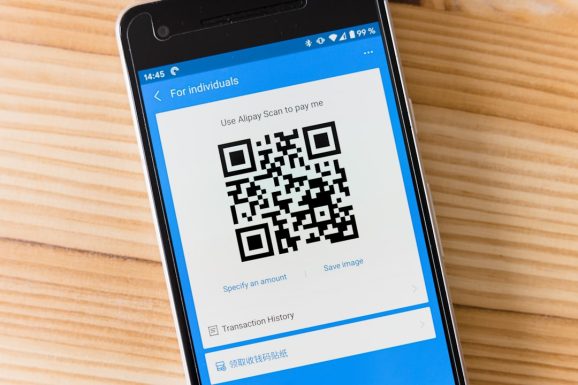
- Payment Integration: Connect to payment platforms and digital wallets.
Best Use Cases:
- Retail stores enabling quick mobile checkout
- Subscription services directing users to differentiated landing pages
- Franchises standardizing promotional material across locations
- Agencies managing QR campaigns for multiple clients
A notable advantage is its multi-URL redirection, which automatically adapts to device type (iOS vs. Android), ensuring optimized user experiences. This is especially useful for app downloads and region-sensitive campaigns.
Considerations: Some advanced customization options may require higher-tier plans.
Comparison Chart
| Feature | Beaconstac | Scanova | QR Code Generator Pro |
|---|---|---|---|
| Dynamic Editing | Yes | Yes | Yes |
| Advanced Analytics | Comprehensive enterprise reporting | Standard campaign tracking | Detailed marketing stats |
| Custom Branding | Extensive | Strong | Strong |
| Payment Integration | Yes | Yes | Yes |
| API Access | Available | Limited | Available |
| Best For | Enterprises and compliance heavy sectors | SMBs and growing teams | Marketing driven businesses |
Why Dynamic QR Codes Matter
Static QR codes permanently encode one destination. If the URL changes, the code must be recreated and redistributed. In contrast, dynamic QR codes act as short redirects that can be updated instantly from a dashboard.
This distinction matters significantly in three areas:
- Menus: Restaurants update pricing, availability, or seasonal offerings without reprinting signage.
- Marketing Links: Campaign landing pages can evolve over time.
- Payments: Merchants can switch payment processors or offers with minimal operational disruption.
Additionally, dynamic codes collect performance data. Organizations can measure engagement rates, identify peak scan times, and evaluate geographic distribution. These insights transform QR usage from a convenience feature into a strategic marketing asset.
Security and Compliance Considerations
When implementing QR codes for payments or sensitive information, security should not be secondary. Look for platforms that offer:
- HTTPS encryption
- SOC 2 or ISO compliance
- GDPR readiness
- Password protected destinations
- Two factor authentication for account access
Malicious QR code substitution is a documented risk in both public and retail environments. Using reputable providers with tracking and editing controls reduces vulnerabilities.
How to Choose the Right Platform
To determine the most suitable QR code tool for your organization, consider the following criteria:
- Scale: How many codes will you manage simultaneously?
- Data Needs: Do you require detailed analytics or simple metrics?
- Branding: Is visual consistency essential?
- Integration: Will the system connect with CRM, CMS, or payment systems?
- Budget: Does the cost align with ongoing marketing ROI?
For enterprise clients handling multiple campaigns and requiring detailed governance, Beaconstac may be most appropriate. For small businesses seeking powerful functionality without technical overhead, Scanova offers a practical solution. For marketing-led teams prioritizing landing page optimization and payment flexibility, QR Code Generator Pro remains a strong contender.
Conclusion
QR codes are no longer temporary pandemic tools; they are now embedded in commerce, hospitality, and digital marketing workflows. Dynamic capabilities, security, analytics, and payment integration have elevated them into full-scale engagement platforms.
Investing in a reputable QR code solution ensures flexibility, protects brand integrity, and enables real-time adaptability. Whether updating a restaurant menu, launching a new marketing campaign, or facilitating seamless payments, the right tool provides measurable value and long-term operational efficiency.
Businesses that treat QR codes as strategic digital infrastructure — rather than disposable graphics — will gain the greatest advantage in an increasingly mobile-first world.






Recent Comments